If you are asking yourself, “how often to use red light therapy for hair growth?”, the most direct and scientifically backed answer is to use your device three to five times per week, with each session lasting anywhere from 10 to 20 minutes. This specific schedule strikes the perfect balance for your scalp, providing your hair follicles with the exact amount of cellular stimulation required to encourage robust hair growth without overwhelming or overexerting the delicate tissues. Consistency, rather than daily intensity, is the ultimate secret to unlocking the full potential of photobiomodulation. Striking this precise frequency balance can truly make the difference between witnessing genuine, confidence-boosting hair restoration and feeling like you are wasting your time and financial investment.
Hair loss, whether it manifests as subtle thinning, a receding hairline, or more pronounced bald patches, can be an incredibly frustrating and emotionally taxing experience for both men and women. For decades, the primary solutions have been limited to messy topical chemical applications, prescription medications that carry the risk of systemic side effects, or highly invasive, painful, and expensive surgical hair transplant procedures. However, the rapidly growing field of photobiomodulation—commonly referred to as red light therapy or low-level laser therapy (LLLT)—has emerged as a scientifically validated, non-invasive alternative that harnesses the natural healing power of specific light wavelengths.
In this comprehensive, in-depth guide, we will explore every facet of using red light therapy to combat hair loss. You will discover exactly how this cutting-edge therapy operates on a cellular level to reawaken dormant hair follicles, the realistic timeline of benefits you can expect, the most common pitfalls that could inadvertently sabotage your progress, and how this holistic approach compares to traditional pharmaceutical interventions. Whether you are dealing with male pattern baldness, female pattern hair loss, stress-induced shedding, or age-related thinning, understanding the proper protocols is the first crucial step toward achieving a thicker, healthier, and more resilient head of hair.
1. How Frequently Should You Apply Red Light Therapy for Hair Growth?
Research within the fields of dermatology and photobiology overwhelmingly indicates that utilizing red light therapy three to five times per week is the optimal frequency for promoting sustainable, healthy hair growth. This carefully calibrated schedule delivers sufficient photonic energy to your hair follicles to stimulate cellular activity, while crucially allowing adequate time for the tissues to rest, recover, and process that energy into biological growth. It is highly recommended to space your treatment sessions evenly throughout the week. For instance, utilizing your device on Monday, Wednesday, and Friday is a highly effective protocol that ensures your scalp is receiving consistent stimulation without the risk of overexposure.
One of the most vital rules to remember is that you must take at least one full rest day between your intensive treatment sessions. The biological response to light therapy follows what scientists call a “biphasic dose-response curve.” In simpler terms, a specific, moderate amount of light energy provides incredible benefits, but exposing the cells to too much light—such as using the device multiple times a day or for excessively long periods—can actually inhibit the cellular response, thereby negating the benefits and potentially stalling your hair growth progress altogether.
Extensive clinical studies focusing on low-level laser therapy (LLLT) have consistently proven that long-term consistency vastly outweighs short-term intensity. Your hair follicles are complex mini-organs that require time to adjust their biological rhythms and respond to the light energy. Skipping sessions out of forgetfulness or lack of dedication can severely decelerate your progress. If you miss too many scheduled treatments, you deprive your cells of the sustained energy they require to shift from the resting phase (telogen) back into the active growing phase (anagen).
Conversely, some overly enthusiastic users attempt to use their laser caps or panels every single day, operating under the mistaken assumption that more light equals faster hair growth. This “more is better” approach is fundamentally flawed in the context of photobiomodulation. Daily, excessive use can inadvertently lead to scalp irritation, cellular exhaustion, and diminished returns. Sticking rigidly to the recommended three to five sessions per week guarantees that you are optimizing your follicular health without crossing the threshold into counterproductive overstimulation.
2. What Is the Optimal Duration for Each Red Light Therapy Session?
The ideal length of your red light therapy session is intimately tied to the specific type of device you are utilizing, the power output (irradiance) of that device, and the sensitivity of your individual scalp. Generally speaking, the vast majority of sessions should last between 10 and 20 minutes. This duration is generally sufficient to deliver the necessary dosage of Joules per square centimeter (J/cm²) to the scalp tissue, penetrating the skin barrier to reach the base of the hair follicles where the crucial cellular metabolic processes take place.
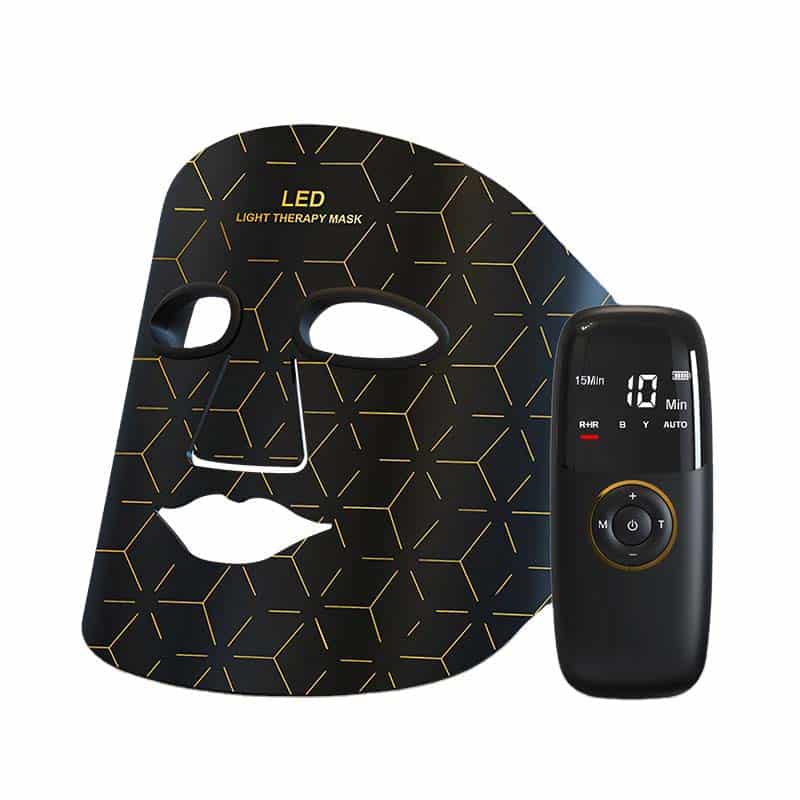
Different devices on the market require different treatment times due to variations in their engineering. For example, flexible LED caps or helmets, which utilize light-emitting diodes scattered across the inner surface, typically require longer treatment times—often ranging from 15 to 25 minutes per session. This is because LEDs generally emit a more dispersed, slightly less focused form of light energy compared to clinical lasers. On the other hand, high-powered laser caps that utilize premium medical-grade laser diodes deliver highly focused, intense beams of light energy. Because these devices are much more powerful, their recommended session times are often drastically shorter, sometimes requiring only 5 to 10 minutes to achieve the exact same therapeutic dosage.
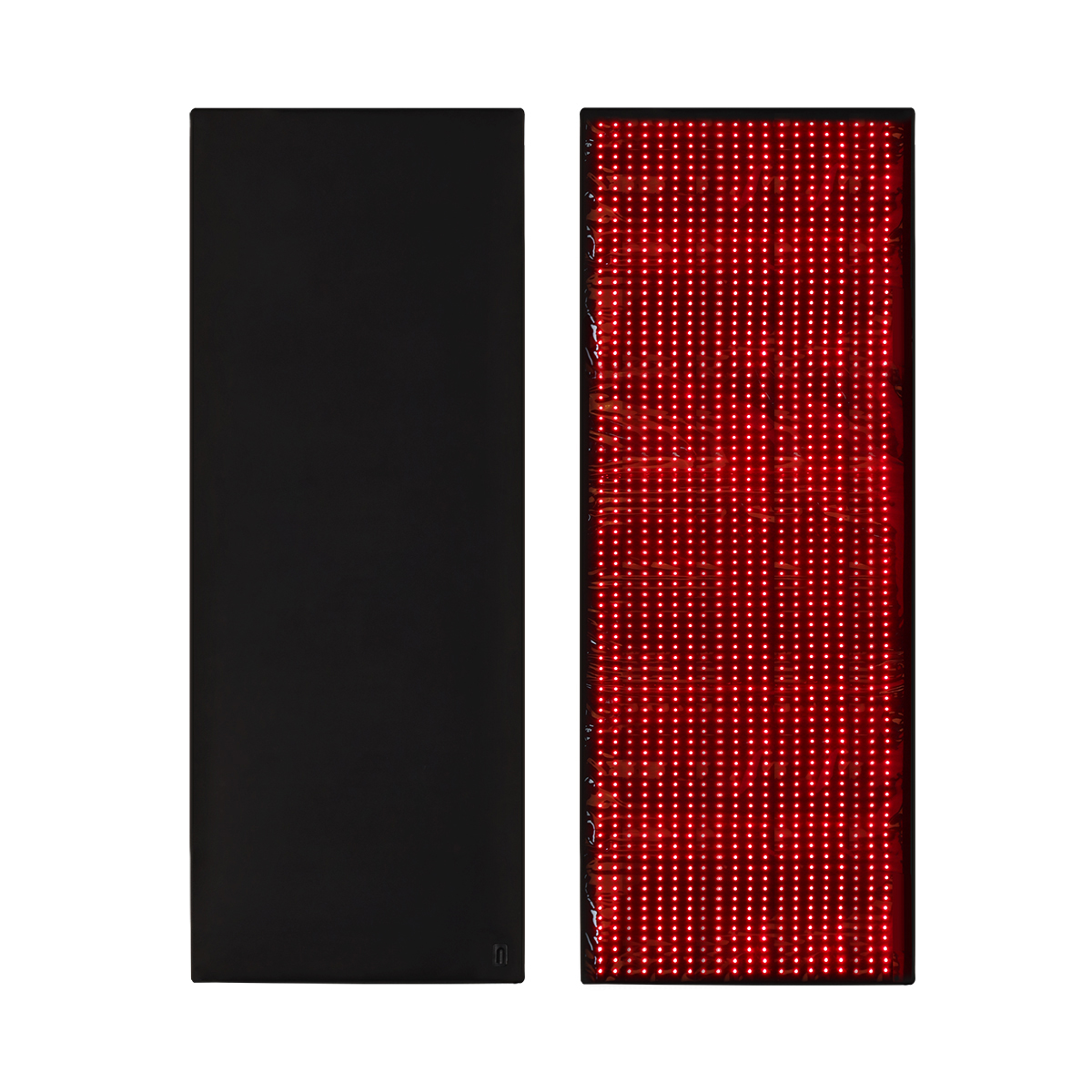
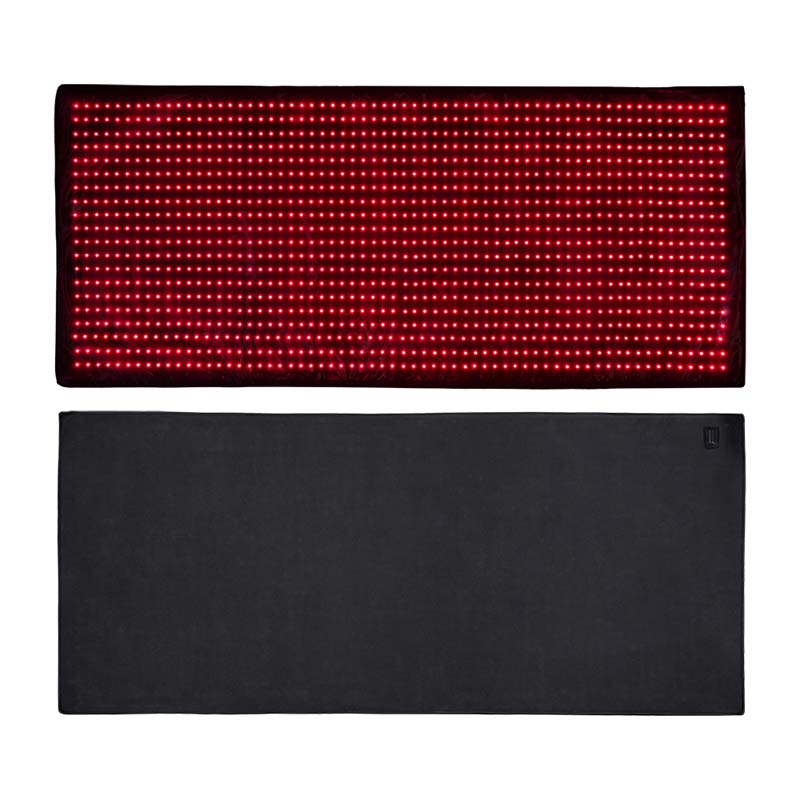
If you are utilizing a large, freestanding, full-body LED panel to treat your scalp, the distance between your head and the light source will also dictate the treatment time. Sitting further away from the panel decreases the irradiance reaching your skin, meaning you will need to sit there longer to get the full effect. Professional clinical devices found in dermatologist offices or specialized hair restoration clinics are usually exceptionally powerful and may follow entirely different, heavily monitored protocols tailored by the practitioner.
It is absolutely paramount that you always consult and strictly follow the specific manufacturer guidelines that accompany your chosen device. Attempting to accelerate your hair regrowth by wearing a 10-minute laser cap for 40 minutes will not force your hair to grow faster. In fact, prolonged exposure can lead to mild thermal buildup or tissue fatigue, which could potentially harm the scalp environment and hinder the very progress you are striving so hard to achieve.
3. When Will You Begin to Notice Visible Hair Regrowth Results?
Setting realistic expectations regarding the timeline of your results is one of the most critical aspects of embarking on a red light therapy journey. Human hair grows at a notoriously slow pace—roughly half an inch per month under the absolute best, most optimal biological conditions. Therefore, you must mentally prepare yourself for a marathon rather than a sprint. Generally, most dedicated users will begin to notice the very first subtle signs of progress within 4 to 8 weeks of steadfast, consistent use.
Interestingly, the very first indicator that the therapy is successfully working is rarely the sudden appearance of new hair. Instead, it is usually a dramatic reduction in hair shedding. During the first two months, you may notice significantly fewer hairs left behind on your pillowcase in the morning, caught in the drain after a shower, or entangled in the bristles of your hairbrush. This reduction in shedding indicates that the light therapy is successfully anchoring existing hairs more firmly into the scalp and preventing them from prematurely entering the falling-out phase.
As you progress into the 8 to 12-week mark, you will likely observe a qualitative change in the hair that already exists on your head. Individual hair strands may begin to feel noticeably thicker, more robust, and more vibrant. This occurs because the increased blood flow and cellular energy are nourishing the follicles, allowing them to produce a stronger, higher-quality hair shaft. The overall texture of your hair may improve, looking shinier and less prone to breakage.
The most exciting phase usually occurs between 3 to 6 months of consistent therapy. This is when genuine, visible new hair growth typically becomes apparent. You may start to see fine, “peach fuzz” hairs (vellus hairs) sprouting along your hairline or within thinning areas on the crown. Over the following months, these fine hairs will mature, darken, and thicken into terminal hairs, slowly filling in the sparse areas. To achieve the absolute maximum, peak aesthetic results from red light therapy, a commitment of 6 to 12 full months is generally required.
It is important to remember that individual timelines can vary wildly based on a multitude of factors, including your age, your genetic predispositions, your underlying hormonal balance, your nutritional status, and the specific stage and severity of your hair loss. Patience is not just a virtue in hair restoration; it is an absolute biological necessity. Stay committed to your weekly schedule, and allow your body the time it inherently needs to heal and regenerate.
4. How Does Photobiomodulation Work to Awaken Dormant Follicles?
To truly appreciate why consistency is so crucial, it is incredibly helpful to understand the fascinating biological science occurring just beneath the surface of your scalp. Red light therapy operates on a principle known as photobiomodulation. This is a process whereby specific wavelengths of light—typically in the visible red range (630 to 680 nanometers) and the invisible near-infrared range (810 to 850 nanometers)—penetrate the epidermal and dermal layers of the skin to interact directly with the cells that make up your hair follicles.
At the absolute core of this process are the mitochondria, which are famously known as the energy-producing powerhouses of your cells. Within the mitochondria lies a vital, light-sensitive enzyme called cytochrome c oxidase. When the highly calibrated red and near-infrared light photons penetrate the scalp, they are absorbed by this specific enzyme. This absorption triggers a massive, highly beneficial cascade of cellular events. Primarily, it causes a significant surge in the production of Adenosine Triphosphate (ATP), which is the fundamental energy currency of all biological life.
When hair follicle cells are suffering from poor blood circulation, hormonal attacks (such as DHT in male pattern baldness), or chronic inflammation, they become sluggish, energy-depleted, and eventually go dormant, ceasing to produce hair. By flooding these struggling cells with newly synthesized ATP, red light therapy essentially provides them with the raw biological fuel they desperately need to repair themselves, function optimally, and resume their normal hair-producing activities. It breathes life back into sleeping roots, shifting them forcefully from the dormant telogen phase back into the active, hair-sprouting anagen phase.
Furthermore, this photonic stimulation triggers a localized release of nitric oxide, a crucial signaling molecule that acts as a potent vasodilator. Nitric oxide causes the tiny micro-capillaries surrounding the hair follicles to widen and relax. This dramatic increase in localized blood circulation ensures that a rich, steady supply of vital oxygen, essential amino acids, vitamins, and minerals is delivered directly to the hair roots. Simultaneously, this enhanced blood flow acts as a deeply effective waste-removal system, flushing away harmful metabolic byproducts and cellular debris that can stifle hair growth.
5. Why Are Improved Blood Flow and Reduced Inflammation Critical for Hair?
The health of your hair is a direct reflection of the health of your scalp environment, and two of the most significant enemies of a healthy scalp are poor microcirculation and chronic, underlying inflammation. Red light therapy is highly celebrated in the medical community precisely because it addresses both of these foundational issues simultaneously, creating an incredibly fertile, optimized environment for hair density and thickness to dramatically improve.
Let us delve deeper into the aspect of hair density and thickness. When your hair follicles are fully energized via increased ATP production, they don’t just grow hair; they grow vastly superior hair. The diameter of each individual hair shaft is largely determined by the health and vitality of the dermal papilla—the cluster of cells at the base of the follicle. Red light therapy stimulates the proliferation of these specific cells, resulting in the production of thicker, stronger, and more heavily pigmented hair strands. Over several months, this increase in individual strand thickness creates a profound visual improvement in overall hair density, making the hair look much fuller and more voluminous, even before massive amounts of new hairs have fully grown in.
The enhancement of blood flow, known as angiogenesis (the formation of new blood vessels) and vasodilation (the widening of existing vessels), is equally critical. Think of a hair follicle as a tiny, highly demanding biological factory. To continuously produce the complex protein structure of hair (keratin), it requires an enormous, uninterrupted supply of raw materials. If the blood supply to the scalp is compromised due to tension, age, or genetics, the “factory” shuts down. Red light therapy ensures that the supply lines remain wide open, delivering the essential nutrients required for the factory to run at maximum capacity.
Finally, we must address the silent killer of hair follicles: inflammation. Conditions like androgenetic alopecia (pattern baldness) are heavily characterized by localized micro-inflammation surrounding the hair bulb. This oxidative stress damages the delicate follicular structures and accelerates the hair loss process. Red light therapy is a scientifically proven, highly potent anti-inflammatory treatment. It helps to drastically calm irritated scalp tissues, reduce cellular oxidative stress, and balance the local immune response. By mitigating this harmful inflammation, red light therapy protects the hair follicles from further damage, allowing them to focus all of their energetic resources on growing thick, beautiful hair rather than constantly fighting off localized stress.
6. What Common Mistakes Should You Avoid When Using Light Therapy?
Even with the best intentions and the highest quality devices on the market, many users inadvertently sabotage their hair restoration journeys by falling prey to a few incredibly common, yet easily avoidable, operational mistakes. Understanding these pitfalls is essential for maximizing your return on investment and ensuring the long-term health of your scalp.
The first and most prevalent mistake, as touched upon earlier, is the trap of overutilization. In our fast-paced modern world, we are conditioned to believe that if something is good, doing it constantly must be better. Using a red light therapy device every single day, or leaving it on for double the recommended time, is a fast track to scalp irritation. Your cells require a “dark period” to fully metabolize the energy they have absorbed and to execute the complex biological processes of cellular division and protein synthesis. Denying them this crucial rest period through daily bombardment can cause the cells to become fatigued, ultimately slowing down the anagen growth phase you are trying to stimulate.
The second major hurdle is severe inconsistency. Hair growth is not a dramatic, overnight event; it is a slow, methodical, cumulative biological process. Using your device religiously for two weeks, entirely forgetting about it for a month, and then trying to “make up for lost time” with marathon sessions will absolutely not yield positive results. Inconsistent use breaks the vital cycle of sustained cellular stimulation. To combat this, you must treat your red light therapy sessions with the same level of non-negotiable dedication as brushing your teeth or taking a daily vitamin. Set recurring alarms on your smartphone, or seamlessly habit-stack the therapy with an existing routine, such as wearing your device while drinking your morning coffee, reading a book before bed, or answering emails.
The third significant mistake involves improper preparation and incorrect device usage. Red light, while powerful, has a limited ability to penetrate physical barriers. Therefore, it is imperative that your scalp is entirely clean and free from heavy build-ups of styling products, thick gels, dry shampoos, or dense concealers before you begin a session. These substances can act as a physical shield, reflecting or absorbing the precious photons before they ever have a chance to reach your skin. Additionally, ensure you are using the device exactly as intended—if it is a helmet, it should be seated firmly and comfortably on the head; if it is a panel, you must measure the distance to ensure you are within the optimal irradiance zone. Ignoring the manufacturer’s technical guidelines is a surefire way to compromise your treatment efficacy.
7. How Do Light Treatments Compare to Traditional Hair Loss Medications?
When individuals first begin to notice the distressing signs of hair loss, their initial instinct is often to turn toward well-known pharmaceutical interventions. The two most famous and heavily prescribed medications in the world for hair loss are topical Minoxidil (often sold under the brand name Rogaine) and oral Finasteride (frequently sold as Propecia). While these chemical treatments have proven efficacy for many people, they operate through entirely different biological pathways than photobiomodulation, and they carry a vastly different profile of potential side effects and user experiences.
Minoxidil is primarily a topical vasodilator. When applied as a liquid or a foam directly to the scalp twice a day, it artificially forces the blood vessels in the scalp to widen, theoretically allowing more oxygen and nutrients to reach the follicles. While red light therapy also achieves vasodilation, it does so naturally by stimulating the release of nitric oxide via cellular energy production, rather than relying on a synthetic chemical trigger. The major drawbacks of Minoxidil include the sheer inconvenience of having to apply a greasy or sticky substance to the head twice daily, which can ruin hairstyles and irritate the scalp, causing severe dryness, itching, and flaking. Furthermore, if you accidentally drip Minoxidil onto your face or neck, it can cause unwanted hair growth in those areas. Red light therapy, in stark contrast, is entirely mess-free, leaves no residue, and causes zero chemical irritation to the skin.
Finasteride is a daily oral pill that works systemically to alter your body’s hormonal profile. It functions as a 5-alpha-reductase inhibitor, meaning it actively blocks the body from converting testosterone into dihydrotestosterone (DHT). DHT is the specific hormone responsible for miniaturizing hair follicles in individuals genetically predisposed to male pattern baldness. While Finasteride is highly effective at stopping hair loss at the source, altering male hormones systemically comes with a heavily documented risk of severe side effects, including a significant decrease in libido, erectile dysfunction, and potential mood alterations or depression. Furthermore, Finasteride is generally only prescribed to men, leaving women with fewer pharmaceutical options.
Red light therapy stands out as an incredibly appealing alternative because it is a completely non-drug, non-chemical, and hormone-free approach. It works externally, interacting solely with the cellular biology of the scalp without entering the bloodstream, altering hormone levels, or taxing the liver and kidneys. This makes it an exceptionally safe option for individuals who are extremely sensitive to medications, those who have experienced adverse reactions to Minoxidil or Finasteride, or individuals seeking a more holistic, natural approach to wellness. It is also equally safe and effective for both men and women experiencing various forms of alopecia.
8. Where Do Combination Therapies Fit Into Your Hair Restoration Journey? (Additional Feature 1)
While red light therapy is an incredibly powerful standalone treatment, modern dermatologists and leading hair restoration specialists increasingly advocate for a multi-faceted, synergistic approach to combating hair loss. Because different treatments target entirely different biological mechanisms of the hair loss process, utilizing them simultaneously can often yield compounded, dramatically superior results compared to using any single therapy in isolation. This concept is widely known in the medical community as “combination therapy.”
One of the most popular and highly effective synergistic pairings is the combination of red light therapy and topical Minoxidil. Because red light therapy acts as a natural vasodilator, improving the blood flow and increasing the permeability of the scalp tissues, utilizing your LED or laser device shortly before applying Minoxidil can theoretically enhance the absorption rate of the medication. The light therapy preps the scalp, maximizing the environment, and the Minoxidil follows up with its chemical stimulation. Together, they create a highly optimized circulatory environment for the hair roots. It is usually advised to use the light therapy on a dry, clean scalp first, and then apply the topical treatment afterward to avoid the light being blocked by the liquid residue.
For men battling aggressive, genetically inherited androgenetic alopecia, combining red light therapy with an oral DHT blocker like Finasteride or Dutasteride represents the ultimate, comprehensive defense strategy. In this powerful scenario, the pharmaceutical medication does the heavy lifting internally by halting the destructive DHT hormone from attacking and miniaturizing the hair follicles. Simultaneously, the red light therapy works externally, swooping in to rescue the already damaged follicles, providing them with the massive boost of cellular ATP energy required to heal, recover, and begin producing thick terminal hairs once again. One stops the damage, while the other accelerates the rebuilding process.
Another emerging and highly successful combination involves pairing photobiomodulation with microneedling (or dermarolling). Microneedling involves rolling tiny, surgical-grade needles across the scalp to create microscopic “wounds.” This intentional micro-trauma triggers the body’s natural wound-healing cascade, rushing stem cells and growth factors to the area. Following a microneedling session with gentle red light therapy can significantly accelerate the healing of these micro-wounds while supercharging the collagen production and follicular stimulation initiated by the needles. However, if you choose to pursue this advanced combination, it is critical to keep the light therapy sessions short immediately following microneedling to avoid over-stressing the freshly treated skin. Always consult with a qualified dermatologist before combining advanced physical modalities.
9. Who Benefits Most From At-Home Devices Versus Professional Clinical Treatments? (Additional Feature 2)
As the popularity of photobiomodulation has skyrocketed, the market has exploded with a staggering variety of devices designed to deliver red and near-infrared light to the scalp. Broadly speaking, these devices fall into two distinct categories: highly accessible at-home consumer devices and ultra-powerful professional clinical machines. Understanding the differences between these options is crucial for determining which path aligns best with your specific hair growth goals, budget, and lifestyle.
At-home devices come in several forms, including laser caps that can be discreetly worn under a standard baseball hat, flexible LED helmets, handheld light-emitting combs, and stationary desktop panels. These devices are intentionally engineered to emit a safe, moderate level of irradiance. The primary demographic that benefits most from at-home devices are individuals seeking supreme convenience, privacy, and long-term cost-effectiveness. If you have a busy schedule, travel frequently, or simply prefer the comfort of treating your hair loss while sitting on your living room couch watching television, an at-home wearable cap is undoubtedly the best choice. While the power output is lower than clinical machines—meaning you must be incredibly diligent about your 3 to 5 times weekly schedule over many months—the cumulative results of high-quality at-home devices have been proven in numerous FDA-cleared clinical trials to be highly effective for mild to moderate hair thinning.
On the opposite end of the spectrum are professional clinical treatments administered in upscale dermatology clinics, specialized trichology centers, or medical spas. These treatments utilize massive, high-powered, medical-grade laser hoods or full-room LED arrays that are capable of delivering an enormous, highly concentrated dose of light energy in a fraction of the time. Who benefits most from this route? Individuals suffering from severe, advanced stages of alopecia who require aggressive intervention, or those who struggle severely with consistency and prefer to have a medical professional strictly manage their treatment schedule. Clinical treatments often yield slightly faster initial results due to the sheer power of the lasers, but they are significantly more expensive, requiring a continuous financial investment for weekly or bi-weekly office visits. Furthermore, they require commuting to a clinic, which can be highly inconvenient for many people.
Ultimately, the “best” choice depends entirely on your personal circumstances. For the vast majority of individuals looking to reverse early thinning, increase density, and maintain long-term scalp health, investing once in a premium, high-quality, FDA-cleared at-home device provides the greatest balance of efficacy, convenience, and financial practicality. Whichever route you choose, the biological mechanism remains the same: delivering life-giving light energy to your struggling cells.
Conclusion: Committing to the Journey of Hair Restoration
In conclusion, the science of photobiomodulation is clear: red light therapy is a highly effective, safe, and scientifically validated method for promoting hair growth, provided it is utilized correctly. The absolute golden rule is to engage in treatment sessions 3 to 5 times per week, maintaining session lengths between 10 to 20 minutes depending on the specific output and design of your chosen device. This meticulous schedule ensures that your scalp receives the perfect, optimal dose of cellular stimulation while allowing for the necessary biological rest periods.
You may begin to notice the incredibly encouraging sign of reduced hair shedding within the first one to two months, but you must remain steadfast and patient. The true, transformative results of visible new hair regrowth and significantly improved hair thickness typically require a dedicated commitment of 3 to 6 months, as human hair inherently grows at a slow and methodical pace.
Because the treatment is entirely non-invasive, hormone-free, and virtually devoid of the harsh side effects associated with traditional chemical medications, it represents a remarkable advancement in the field of holistic dermatology. Your hair operates on a complex, natural growth cycle, and red light therapy provides the foundational cellular energy required to optimize that cycle. Remember that in the realm of hair restoration, patience and unwavering consistency are your greatest allies. Rushing the process by overusing your device will not yield faster results. Adhere strictly to the proven schedule, trust in the biological science, and you will be well on your way to achieving a healthier, denser, and more vibrant head of hair.
Frequently Asked Questions (FAQs)
1. Can I Use Red Light Therapy Every Day for Hair Growth?
While you physically *can* use your red light therapy device every single day, doing so is heavily discouraged by medical professionals and photobiology experts, and it is not the pathway to achieving optimal results. The biology of your hair follicles requires alternating periods of stimulation and rest. Using the device 3 to 5 times a week provides the perfect therapeutic dose of light energy, allowing your cells to fully process the newly generated ATP and execute the complex tasks of protein synthesis and cell division on your off days. Daily use can lead to tissue fatigue, scalp irritation, and a phenomenon known as the biphasic dose-response, where excessive light exposure actually inhibits the healing mechanisms and slows down your hair growth progress. Stick to the recommended frequency for the best, most sustainable outcome.
2. How Long Does It Take for Red Light to Regrow Hair?
Patience is absolutely essential when utilizing this modality. You should reasonably expect to wait anywhere from 3 to 6 months of consistent, weekly use before seeing highly noticeable, cosmetically significant hair regrowth. This timeline is entirely dictated by the natural physiological speed at which human hair grows, which is roughly half an inch per month. However, there are highly encouraging earlier milestones. Most users experience a dramatic and noticeable reduction in daily hair shedding within the first 4 to 8 weeks. This means less hair in the shower drain and on your pillow, serving as the first profound sign that the therapy is successfully anchoring the follicles. To achieve absolute maximum thickness and the filling in of sparse areas, a dedicated routine lasting 6 to 12 months is generally required.
3. Do Men and Women Use It at the Same Frequency?
Yes, the underlying cellular biology that governs how hair follicles respond to specific light wavelengths is fundamentally identical in both males and females. Therefore, both men suffering from male pattern baldness and women experiencing female pattern hair loss or diffuse thinning should follow the exact same established frequency guidelines: typically 3 to 5 sessions per week, lasting 10 to 20 minutes each. The frequency of application does not change based on an individual’s gender. However, the severity and exact root cause of the hair loss may dictate how long you will need to continue the treatments to see optimal results. Regardless of gender, it is always imperative to closely follow the specific timing instructions provided by the manufacturer of your particular laser cap or LED panel, as power outputs vary significantly between brands.
 English (United States)
  French (Canada)
  English (UK)
  English (Australia)
  English (Canada)
  English (New Zealand)
  English (South Africa)
  Bulgarian
  Croatian
  Arabic
  Czech
Czech  Danish
  Dutch
Dutch  Estonian
  Finnish
  French (France)
  Turkish
  Swedish
  Spanish
  Slovenian
  Georgian
  German
  Greek
Greek  Hebrew
  Hungarian
  Icelandic
  Indonesian
  Italian
  Japanese
  Korean
  Latvian
  Lithuanian
  Slovak
  Serbian
  Portuguese
  Luxembourgish
  Irish
Irish  Romanian
  Russian