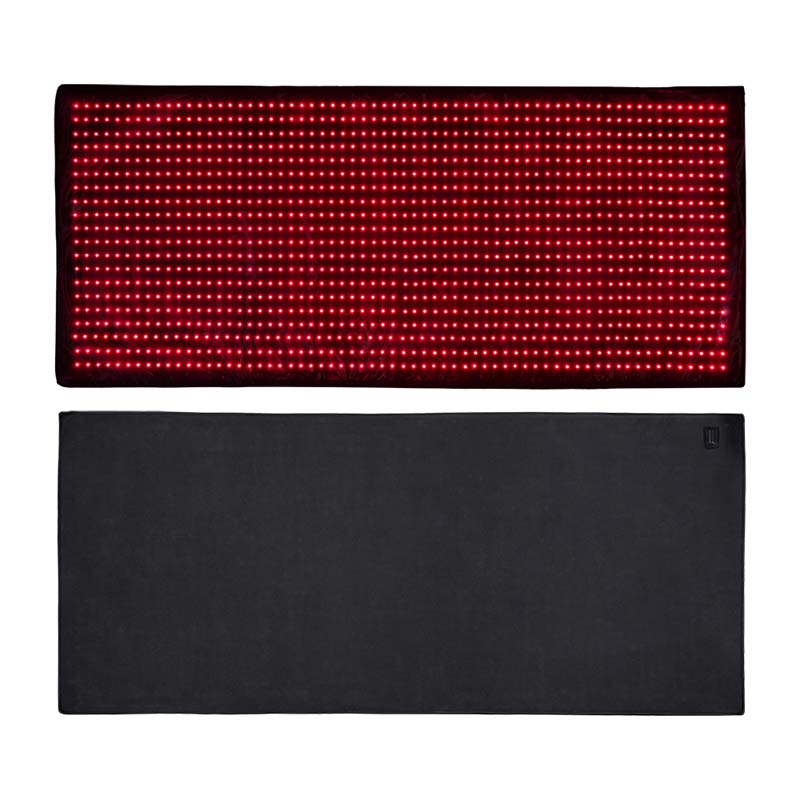
When searching for the ideal red light therapy (RLT) device, the most critical factors to evaluate are the output wavelengths (optimally targeting the 660nm and 850nm ranges), the light irradiance (the power density of light reaching your skin, measured in mW/cm²), and the total treatment area provided by the LED density. A high-quality unit must balance these technical specifications with safety features like low EMF emissions and a build quality that ensures the light can penetrate deep enough into the dermis or underlying tissues to stimulate cellular repair. By focusing on these core metrics rather than marketing buzzwords like “total wattage,” you can ensure your investment yields the biological results—such as collagen production, pain relief, and reduced inflammation—that RLT is scientifically proven to provide.
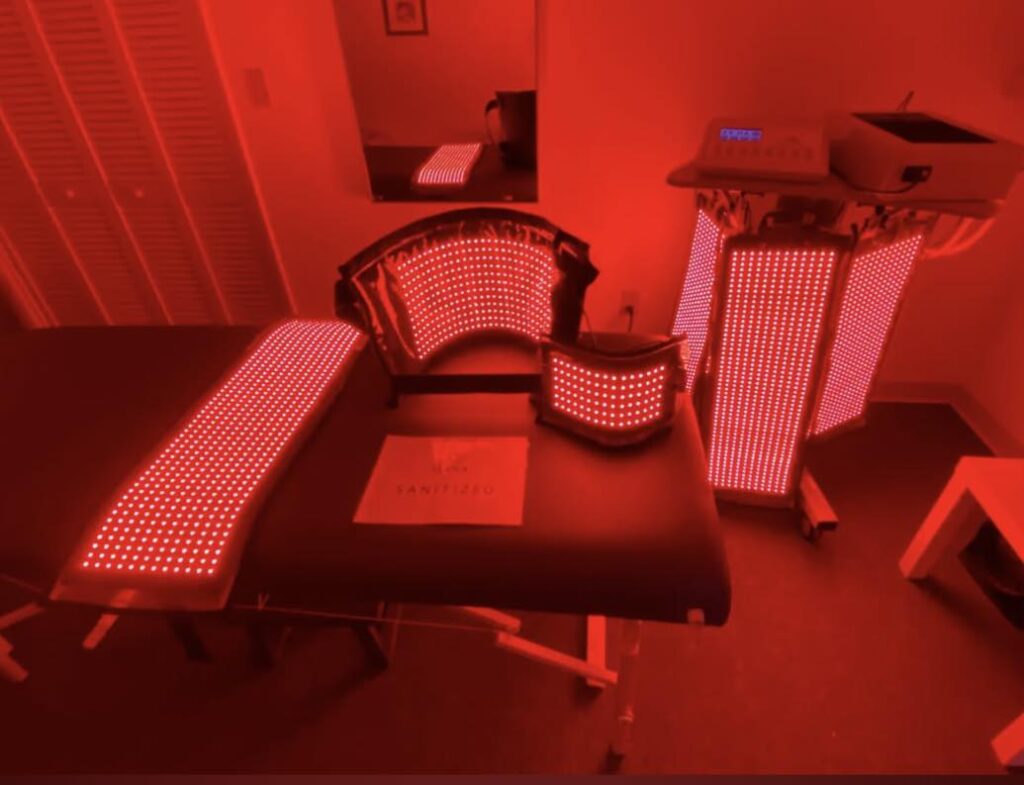
The Bright Reality: An Introduction to Photobiomodulation
You have likely encountered the term “light therapy” in skincare aisles or wellness blogs, but the sheer variety of options—ranging from neon-blue acne masks to deep-heat infrared lamps—can leave even the most savvy consumer feeling a bit “in the dark.” Red light therapy (RLT), which you might also hear called photobiomodulation, low-level laser therapy (LLLT), or cold laser therapy, isn’t just a trend. It is a scientifically backed method of delivering specific frequencies of visible red and invisible near-infrared light energy to the body’s cellular powerhouses: the mitochondries.
This process is essentially a form of “photosynthesis for humans.” When these light photons hit your cells, they trigger a chemical reaction that boosts the production of Adénosine triphosphate (ATP). Think of ATP as the currency your cells use to buy “repairs.” With more energy, your cells can heal faster, reduce oxidative stress, and regenerate tissue with higher efficiency. It’s a foundational biological hack that leverages the very energy that powers life on Earth.
Whether you are looking to erase the evidence of a decade’s worth of sun damage or seeking a way to manage chronic joint pain without relying solely on pharmaceuticals, RLT is a powerhouse of a tool. While clinical treatments were once the only option, the market for home devices has exploded. However, because this is a medical-grade technology, you need to know how to spot the difference between a high-end therapeutic device and a glorified holiday light string. The stakes are your health and your hard-earned money.
Science-Backed Features to Prioritize
Choosing a device based on looks alone is a mistake. To get the cellular response you’re looking for, the physics must be precise. If the light doesn’t reach the target tissue at the right frequency, you’re just sitting in a red room.
1. The Light Spectrum: Red vs. Near-Infrared vs. Combo
When you begin shopping, you will notice three primary configurations. Understanding the distinction is vital for your specific health goals.
- Visible Red Light (600nm – 700nm): This light is visible to the naked eye as a bright, vibrant crimson. Because these wavelengths are shorter, they don’t travel as far into the body. They are absorbed primarily by the skin’s surface. This makes red light the gold standard for aesthetic concerns: fine lines, acne, psoriasis, and wound healing.
- Near-Infrared Light (NIR) (700nm – 900nm): This light is invisible to us. You won’t see a “glow” from these LEDs, though you might feel a gentle, soothing warmth. NIR wavelengths are longer and have a “deep-tissue” pass. They bypass the skin and penetrate into the muscles, joints, and even bone.
- Combination Units: Most high-end devices now offer a “Combo” mode. This is often the smartest choice for the average user. It allows you to treat the surface skin (Red) and the underlying inflammation (NIR) simultaneously, offering a holistic approach to wellness.
2. The Golden Range: Optimal Wavelengths
In the world of photobiology, not all nanometers are created equal. The “Optical Window” is the range of light that is most effectively absorbed by human tissue without being blocked by water or hemoglobin. If the wavelength is slightly off, the light is simply reflected or absorbed by the wrong structures.
Research consistently points to two “sweet spots”:
- 660nm – 670nm: Ideal for skin health, superficial healing, and collagen stimulation.
- 830nm – 850nm: The peak for deep tissue penetration, muscle recovery, and mitochondrial stimulation in the joints.
If a device does not specify its wavelengths or uses ranges outside of these (like 610nm or 900nm+), it may be significantly less effective at triggering the cellular respiration process. Precision is the difference between a medical result and a placebo.
3. Irradiance: The True Measure of Power
Irradiance is perhaps the most misunderstood spec in the industry. It refers to the power density—how many photons are actually hitting a specific square centimeter of your skin. It is measured in milliwatts per square centimeter (mW/cm²).
The Distance Rule: Irradiance decreases as you move away from the light. A device might claim 100 mW/cm² at the surface, but if it drops to 20 mW/cm² at six inches away, your treatment time will need to be five times longer to get the same dose.
High irradiance is crucial because it allows for shorter treatment times. A low-powered wand might require 60 minutes of use to achieve what a high-output panel can do in 10 minutes. When looking at a device, always ask for the irradiance at a specific distance (usually 6 inches) to get an honest assessment of its power.
4. Total LED Count and Coverage Area
The number of LEDs determines the “footprint” of the treatment. If you are trying to treat your entire back for chronic pain, a small handheld device with 10 LEDs will be frustratingly slow. You would have to move it every two minutes to cover the area, leading to inconsistent dosing and “user fatigue.”
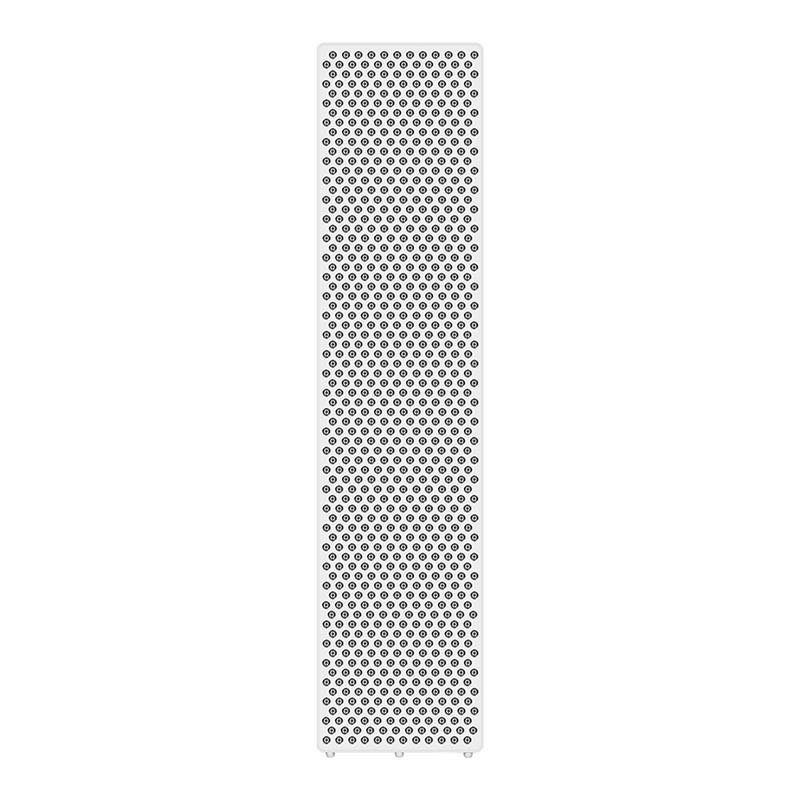
A larger panel with 60 to 180 LEDs provides a uniform field of light, ensuring that every cell in the target area receives a consistent dose of energy simultaneously. In short: more LEDs usually equate to better efficiency and better results for large-scale issues like systemic inflammation or athletic recovery.
Two Additional Features to Look For
While wavelengths and power are the “Big Two,” these two often-overlooked features separate professional devices from the “bargain bin” alternatives. These are the markers of a manufacturer that understands both physics and human health.
Angle du faisceau
The beam angle refers to the degree at which light is emitted from the LED bulb. Most high-quality RLT devices use a 30-degree or 60-degree lens.
- Why it matters: A tighter beam angle (like 30 degrees) keeps the light photons more concentrated as they travel toward your body. This minimizes “light spill” and ensures that the maximum amount of energy is directed straight into your tissues rather than scattering into the room. If a device has no lens or a very wide angle, the light loses its intensity almost immediately after leaving the bulb, rendering the device much weaker than its specs suggest.
Atténuation des CEM
Since you are placing these devices close to your body—often for 20 minutes at a time—the electromagnetic field (EMF) output is a valid concern. High-quality manufacturers use shielded components and sophisticated internal wiring to ensure that the device emits “Zero EMF” at the recommended treatment distance.
- Why it matters: Health-conscious users are often trying to reduce systemic inflammation. Some studies suggest that high exposure to certain EMF frequencies can actually cause cellular stress and interfere with the body’s natural electrical signaling. Choosing a “Low EMF” or “No EMF” device ensures that your therapy isn’t being undermined by unnecessary electronic interference. You want the light, not the smog.
Strategic Questions to Answer Before You Buy
Before you add a device to your cart, take a moment to perform a “needs assessment.” Red light therapy is an investment, and the “best” device is the one that fits seamlessly into your daily life. If it’s too cumbersome to set up, it will collect dust.
Targeted Relief or Whole-Body Wellness?
Are you buying this specifically to treat a surgical scar on your knee or a patch of eczema on your hand? If so, a handheld device or a small “mini” panel is likely sufficient. They are portable, easy to store, and perfect for “spot-treating” issues. They are also great for travel, ensuring you never miss a dose while on the road.
However, if your goals involve muscle recovery after a full-body workout, systemic inflammation, or anti-aging for your entire face and neck, a large panel or full-body pod is the way to go. It is much easier to stand in front of a panel for 15 minutes than it is to hold a small wand over your legs, arms, and torso for an hour. Your time is valuable; choose a device that respects it.
Is This a Solo Journey or a Family Affair?
If you live in a household with multiple people, consider a device with higher versatility. While you might want the 660nm red light for your complexion, a partner might need the 850nm NIR light for a lingering shoulder injury. In these cases, a multi-mode panel that allows you to toggle between Red, NIR, or both is essential. Larger devices also accommodate different body heights and sizes more easily, making the unit more cost-effective as it serves the whole family.
The Comparison: Why Home Devices Beat the Clinic
Many people start their RLT journey at a dermatologist’s office or a high-end spa. While these professional settings offer powerful machines, there are several reasons why transitioning to home use is the smarter long-term move for both your wallet and your results.
| Fonctionnalité | Professional Clinic | At-Home Device |
|---|---|---|
| Cost | $50–$150 per session | One-time investment ($200–$1000) |
| Convenience | Requires commute/appointment | Use it in your pajamas |
| Fréquence | Limited by schedule/budget | Daily use for maximum benefit |
| Privacy | Shared environment | Complete comfort of home |
| ROI | Low (continuous payments) | High (pays for itself in 10 sessions) |
Consistency is the absolute “secret sauce” of light therapy. It’s better to use a home device for 15 minutes every day than to go to a clinic for a “super-powered” session once every two weeks. The biological effects of photobiomodulation are cumulative; like exercise, the more consistent you are, the better the results. A home device ensures you never miss a “workout” for your cells.
4 Myths About Red Light Therapy
As RLT has grown in popularity, so has the amount of misinformation circulating online. Let’s clear up some of the most common tall tales so you can shop with confidence and clarity.
Myth 1: Wattage Is the Most Important Specification
If a salesperson tells you their device is “1000 Watts” and therefore “the strongest on the market,” they are likely confusing input power with output energy. Wattage measures how much electricity the device pulls from your wall outlet. It tells you about your power bill, not your healing. What you actually care about is irradiance. A device can be “high wattage” but very inefficient, wasting that energy as heat rather than converting it into usable therapeutic light. Don’t pay for wasted electricity.
Myth 2: Red Light Therapy Is Risk-Free & Is For Everyone
While RLT is non-invasive and generally very safe, it isn’t a “free-for-all.” People with certain conditions—such as active skin cancer, epilepsy (due to flickering lights), or those taking photosensitizing medications (like certain antibiotics or Accutane)—should be cautious. Pregnant women should also consult their doctors. Always listen to your body; if a treatment feels uncomfortable, stop and reassess. Safety first, healing second.
Myth 3: Bloggers = Experts
In the era of social media, many influencers are paid to “love” a product. A sleek-looking mask on Instagram might have great branding but terrible irradiance levels. When looking for advice, prioritize sources that cite clinical studies (like those found on PubMed) and provide raw technical data (wavelengths, EMF tests, and 3rd-party irradiance verification). Look for the science, not the filter.
Myth 4: Red Light Therapy Can Burn Your Skin
Red light therapy is not UV therapy. It does not contain the ultraviolet rays (UVA/UVB) that cause DNA damage, tanning, or sunburns. RLT uses “cold” LEDs. While you might feel a slight warming sensation from the NIR wavelengths, it is physically impossible to get a “sunburn” from a standard red light therapy device. It is a gentle, thermal-free process that works with your skin, not against it.
Product Spotlight: The Medical-Grade Red Light Therapy Panels
If you are looking for a device that checks all the scientific boxes mentioned above, the Medical-Grade Red Light Therapy Device line (specifically the R1 and R3 models) is a standout choice. These are designed to bridge the gap between “spa toys” and clinical equipment, offering professional power in a consumer-friendly package.
Versatility and Customization
One of the most impressive features of these units is the ability to customize the light delivery. Unlike cheaper models that are “always on,” these devices allow you to choose between:
- Continuous Wave: A steady stream of light for standard treatments, perfect for collagen building and skin health.
- Mode pulsé : Some research suggests that pulsed light can penetrate deeper or help “reset” the cellular response, preventing the body from becoming too accustomed to the stimulus. This is often preferred for chronic pain management.
Size Options
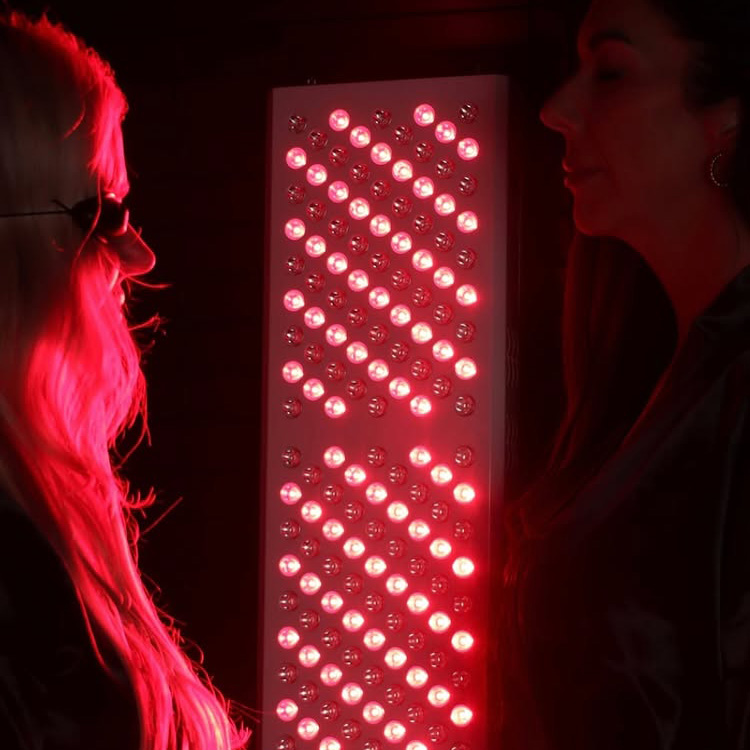
- The R1 (The Versatile Specialist): Standing at roughly 12.5 inches with 60 LEDs, this is the “Goldilocks” of RLT. It’s large enough to treat your entire face or a localized area like a knee or shoulder, but small enough to fit on a desk or nightstand. It’s the perfect entry point for those serious about targeted therapy.
- The R3 (The Powerhouse): At 38 inches tall with 180 LEDs, this is built for those serious about whole-body health. It’s perfect for treating the entire back, the length of the legs, or doing a full-body anti-aging session in half the time. It is the ultimate investment in longevity.
Both models utilize high-irradiance LEDs and provide the four essential wavelengths needed to target both the dermis and the deep musculature. They are built with medical-grade components designed to last for years of daily use.
Foire aux questions
1. How do I actually perform a treatment at home?
It’s simpler than you might think. Always start with clean, bare skin—lotions, makeup, or sunscreens can reflect the light before it can penetrate. Position yourself 6 to 8 inches away from the device. If you are new to RLT, start with 10 minutes per session, 3 times a week. As your skin and body acclimate, you can increase this to 20 minutes daily. Consistency is more important than the length of any single session. Make it a part of your morning or evening ritual.
2. What is the fundamental difference between Red and Near-Infrared?
Think of it as surface vs. depth. Red light (visible) is the “beauty light,” focusing on skin texture, tone, and surface-level healing. Near-infrared (invisible) is the “recovery light,” reaching into joints and muscles. If you want to look younger and glow, use Red. If you want to feel better after a marathon or manage arthritis, use NIR. Using both together provides a synergistic effect that addresses the body from the outside in and the inside out.
3. How soon will I see results?
This depends on your goals. For acute pain or muscle soreness, many people feel a difference within one or two sessions due to the immediate anti-inflammatory effects. For skin concerns like wrinkles or scarring, you are waiting for your body to physically build new collagen and elastin—a biological process that takes time. You should expect to see visible skin improvements after 8 to 12 weeks of consistent use. Patience and persistence are the keys to long-term success.
Closing Thoughts: Lighting the Path to Wellness
The transition from clinical treatments to at-home red light therapy is one of the most empowering moves you can make for your personal health regimen. By bringing this technology into your home, you remove the barriers of cost and travel, allowing the science of photobiomodulation to work its magic on a daily basis. It is an investment in your future self.
Whether you are an athlete looking for an edge in recovery, someone battling a chronic skin condition, or simply a person who wants to maintain a youthful glow as the years pass, the key is quality. Don’t be swayed by “bargain” devices that lack the power to actually reach your cells. Invest in a device with verified wavelengths, high irradiance, and low EMF levels. Your body is a high-performance machine; it deserves high-performance fuel.
Le Medical-Grade Red Light Therapy Device remains our top recommendation for those who want clinical results without the clinical price tag. It offers the flexibility, power, and safety required to make RLT a permanent, beneficial part of your lifestyle. When you choose a device that prioritizes science over marketing, the results speak for themselves.
Red light therapy isn’t just about looking better—it’s about providing your body with the fundamental energy it needs to function at its peak. When your cells are charged, your entire body follows suit. You feel more vibrant, heal faster, and face the world with renewed vitality. So, find your light, stay consistent, and let the healing begin.
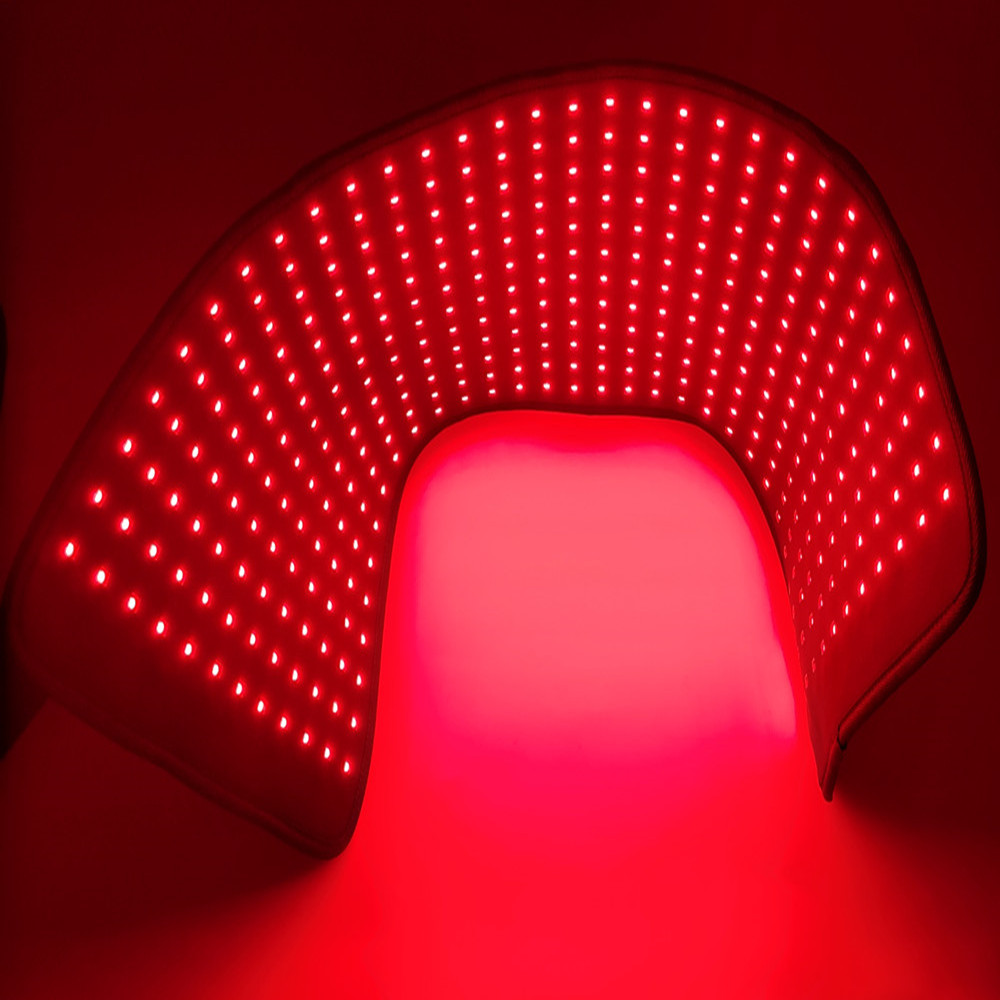
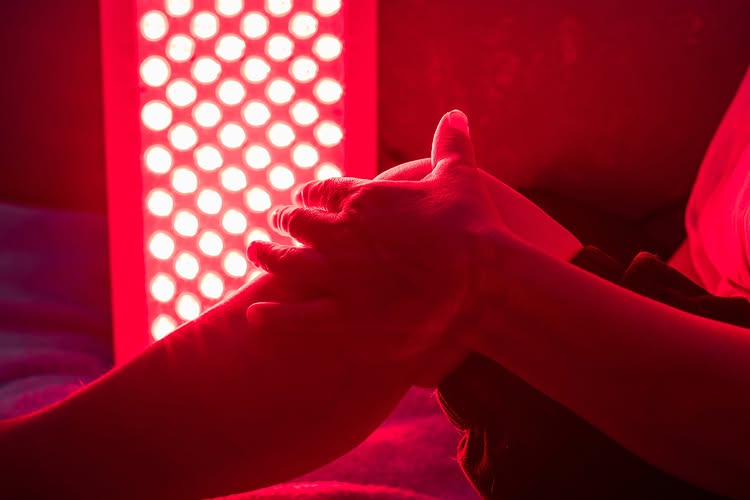
 English (United States)
  French (Canada)
  English (UK)
  English (Australia)
  English (Canada)
  English (New Zealand)
  English (South Africa)
  Bulgarian
  Croatian
  Arabic
  Czech
Czech  Danish
  Dutch
Dutch  Estonian
  Finnish
  French (France)
  Turkish
  Swedish
  Spanish
  Slovenian
  Georgian
  German
  Greek
Greek  Hebrew
  Hungarian
  Icelandic
  Indonesian
  Italian
  Japanese
  Korean
  Latvian
  Lithuanian
  Slovak
  Serbian
  Portuguese
  Luxembourgish
  Irish
Irish  Romanian
  Russian