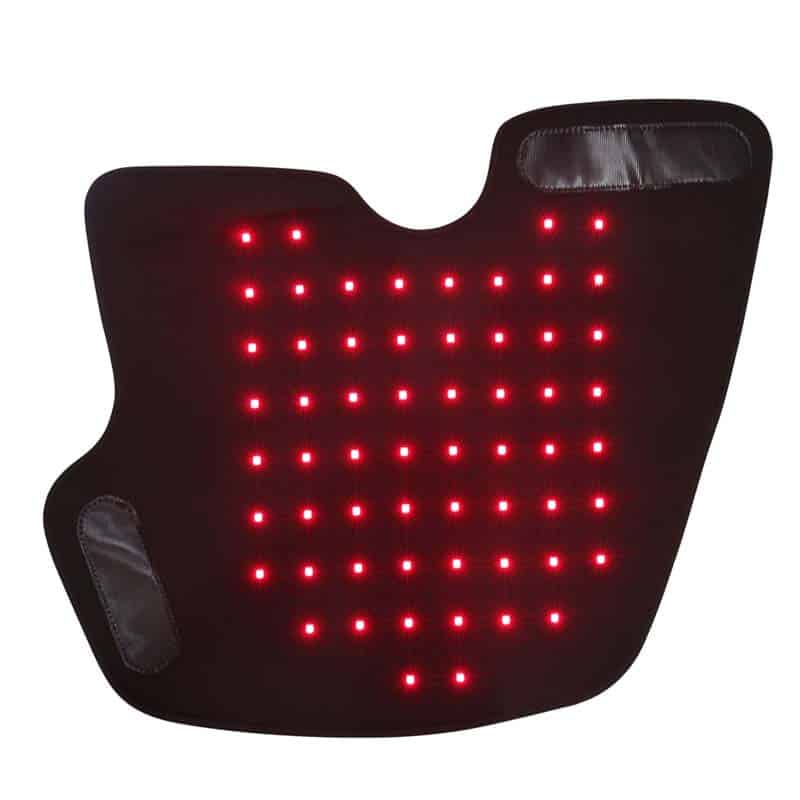
To provide an immediate and definitive answer to the question of which nanometer (nm) is superior: the “best” wavelength for red light therapy depends entirely on your physiological objective. For those seeking superficial skin rejuvenation, wrinkle reduction, and collagen synthesis , the most effective range is between 630 nm and 670 nm . However, if your goal is deep muscle recovery, joint pain relief, or neurological support , you must utilize the near-infrared (NIR) spectrum, specifically between 810 nm and 850 nm . The efficacy of any given wavelength is dictated by its ability to reach the specific depth of the tissue you intend to treat.
1. What Wavelengths are Most Effective for Different Red Light Therapy Goals?
When we dive into the world of ljóslíffræðileg mótun (PBM), we are essentially selecting specific “keys” to unlock cellular doors. The electromagnetic spectrum is vast, ranging from destructive gamma rays to the massive waves used for radio broadcasts. Within this spectrum exists a narrow “therapeutic window” where light does not damage the body but instead provides energy to the cells. This window typically spans from 600 nm to 1000 nm.
The Visible Red Spectrum: 600 nm – 700 nm
Visible red light is characterized by shorter wavelengths that carry a significant amount of energy but lack the “momentum” to penetrate deep into the body’s interior. Instead, these photons are absorbed by the skin’s uppermost layers.
- 630 nm (Surface Vitality): This wavelength is a specialist in the epidermis. It is highly effective for treating skin conditions that reside on the surface, such as mild acne, fine lines, and superficial pigmentation. It helps improve the skin’s texture and overall tone by boosting cellular metabolism in the outermost layers.
- 660 nm (The Dermal Workhorse): If 630 nm is the surface specialist, 660 nm is the architect of the dermis. This is arguably the most researched wavelength in the red spectrum. It penetrates slightly deeper, reaching the fibroblasts responsible for producing kollagen . By stimulating these cells, 660 nm helps thicken the skin, reduce the appearance of deep wrinkles, and accelerate the healing of scars and stubborn wounds.
The Near-Infrared (NIR) Spectrum: 700 nm – 900 nm
Once we cross the 700 nm threshold, the light becomes invisible to the naked eye. While you cannot see NIR light, your body certainly feels its effects at a profound depth. These wavelengths have low absorption by water and melanin, allowing them to pass through skin and fat to reach muscles, tendons, and even bone.
- 810 nm (The Neurological Ally): This wavelength is often cited in clinical studies regarding brain health and muscle performance. Because it can penetrate the skull and reach the brain’s cortical surface in specific applications, it is a primary focus for research into cognitive enhancement and neuro-recovery. For athletes, it is the go-to for priming muscles before physical exertion.
- 830 nm (The Inflammation Fighter): This specific frequency is highly efficient at reducing deep-seated inflammation. It is commonly used in sports medicine to treat tendonitis, ligament strains, and other soft tissue injuries where the damage is located far beneath the skin’s surface.
- 850 nm (The Deep Tissue Powerhouse): 850 nm is the gold standard for systemic recovery and chronic pain management. It has the highest penetration capacity of the commonly used therapeutic wavelengths. Whether you are dealing with chronic lower back pain, knee arthritis, or widespread muscle soreness after a marathon, 850 nm provides the “deep heat” (biologically speaking) required to trigger repair in the body’s structural foundations.
2. Why Does the Specific Nanometer Measurement Determine Healing Efficacy?
The reason why a few nanometers make such a massive difference in biological outcome is rooted in the physics of light absorption and the biology of our cells. This process is known as ljóslíffræðileg mótun .
The Mitochondrial Connection
At the heart of red light therapy is a specific enzyme inside your mitochondria called Cytochrome c Oxidase (CcO) . Think of your mitochondria as the battery of the cell, and CcO as the charging port. This enzyme is uniquely sensitive to light within the 600–900 nm range. When photons of the correct wavelength hit the CcO enzyme, they displace an inhibitory molecule called nitric oxide (NO). This displacement allows oxygen to rush back in, facilitating the production of Adenosíntrífosfat (ATP) .
ATP is the fuel your body uses for every single process, from thinking to repairing a cut. By increasing ATP production, you are effectively giving your cells a “supercharge,” allowing them to perform their natural repair functions at an accelerated rate. If the wavelength is too short (like blue light) or too long (like far-infrared), the CcO enzyme cannot absorb the energy as efficiently, and the therapeutic effect is diminished.
The Concept of the Optical Window
The human body is not a transparent window; it is a complex filter made of water, blood, and melanin. Most wavelengths of light are absorbed or scattered by these substances before they can reach our internal organs. However, there is a specific “lull” in absorption between 600 nm and 900 nm. This is known as the Optical Window . Scientific ljóslíffræðileg mótun research demonstrates that by operating within this window, we can ensure the light energy isn’t just wasted on the surface but actually reaches the target tissue.
3. Who Should Use Specific Wavelengths Based on Their Lifestyles?
There is no “one-size-fits-all” in health, and red light therapy is no exception. We are all at different stages of life, with varying physical demands and aesthetic goals. Identifying your “user profile” is the first step in choosing the right wavelength.
The Aesthetic and Skincare Pro
If you are someone who prioritizes skin health, longevity, and a “lit-from-within” glow, your focus should be on the visible red spectrum (630–660 nm). These users are typically looking to:
- Reverse the signs of photo-aging and sun damage.
- Reduce the redness associated with acne or rosacea.
- Boost the efficacy of their existing topical serums (as light increases circulation and absorption).
- Stimulate hair follicles for thicker, healthier hair.
For this group, high-intensity red light that targets the dermis is the primary tool for maintaining a youthful appearance.
The High-Performance Athlete
Athletes and fitness enthusiasts require a more robust approach. Their needs are internal—repairing micro-tears in muscle fibers and flushing out metabolic waste. This group benefits most from a combination of 660 nm and 850 nm.
- Pre-workout: Using 810–850 nm can help prime muscles, potentially increasing endurance and power output.
- Post-workout: A concentrated dose of NIR light can slash recovery times, allowing for more frequent and intense training sessions without the debilitating effects of muscle soreness.
The Senior or Chronic Pain Warrior
As we age, our joints and bones often become the limiting factor in our quality of life. For those dealing with osteoarthritis, degenerative disc disease, or general stiffness, the deep penetration of 850 nm is non-negotiable. Because these issues are located deep within the body, shorter wavelengths are almost useless. This demographic needs high-irradiance NIR panels that can deliver a significant “dose” of energy through thick tissue and bone.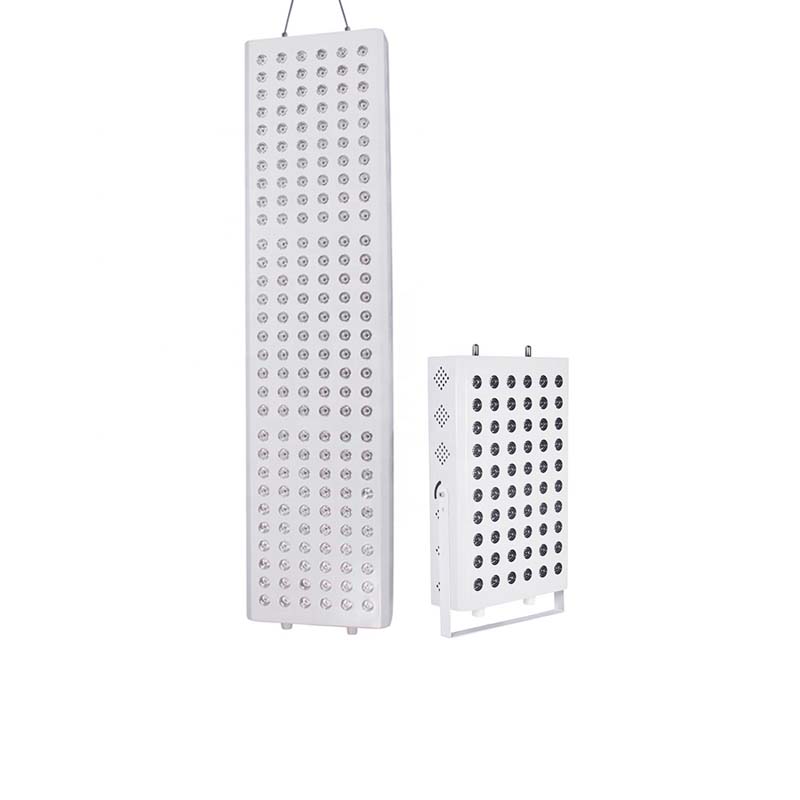
4. How Do You Identify a High-Quality Red Light Therapy Device?
In 2026, the market is flooded with devices claiming to be “medical grade.” However, without transparency, these claims are often empty marketing. To find a device that actually works, you must look at three critical factors.
Wavelength Precision and Brand Transparency
A high-quality brand will never just say “Red Light.” They will specify exactly which nanometers their LEDs emit (e.g., 660nm and 850nm). Furthermore, they should provide independent testing reports that verify the spectral output. If a company hides their technical specifications, it is a red flag that they may be using cheap, generic LEDs that don’t hit the therapeutic sweet spots.
Irradiance: The Strength of the Beam
Irradiance is the power density of the light, measured in milliwatts per square centimeter ( $mW/cm^2 $). Think of this as the “concentration” of the medicine. If the irradiance is too low, you would have to sit in front of the device for hours to get a beneficial dose.
- Effective Range: Look for a device that delivers between 30 $mW/cm^2 $ and 100 $mW/cm^2 $ at the recommended distance (usually 6 to 12 inches).
- The Distance Factor: Be wary of brands that claim massive irradiance numbers but don’t tell you the distance. Power drops off significantly as you move away from the light source.
Certifications and Clinical Standards
While red light therapy is safe, the electronics used to deliver it should meet high standards. Look for devices that have received Matvæla- og lyfjaeftirlitið (FDA) clearance. This ensures that the device is safe for home use and that the manufacturer has met specific quality control standards. Additionally, check for low EMF (Electromagnetic Field) output and zero-flicker technology to ensure the most comfortable and safe experience for your nervous system.
5. Where Should Different Wavelengths Be Applied for Optimal Results?
The physical design of your device should match the “where” of your treatment. Placing a small wand on your back for chronic pain is like trying to paint a house with a toothbrush—it just isn’t efficient.
Face and Neck: Masks and Small Panels
For facial rejuvenation, LED Face Masks are the current gold standard. Because they contour to the face, the light source is less than an inch from the skin. This proximity means that 630 nm and 660 nm wavelengths can be delivered with incredible precision. They are lightweight and allow for hands-free treatment, making them easy to integrate into a nightly routine.
Full Body and Systemic: Large Panels
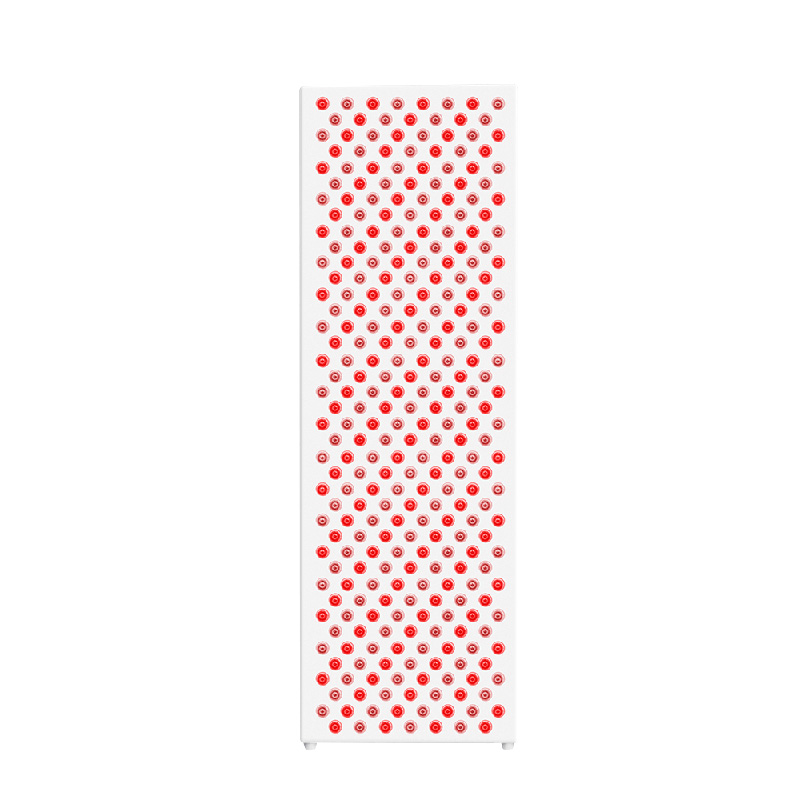
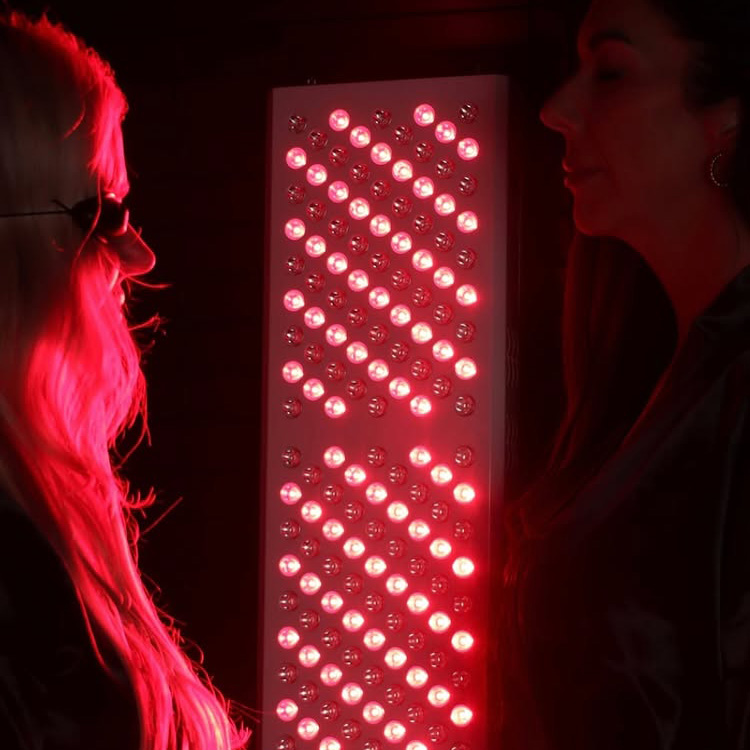
If you want to boost your overall energy, improve sleep quality, or treat large muscle groups, a Vertical Light Panel is necessary. These devices allow you to “bathe” in light. By exposing a large surface area of your skin to a mix of red and NIR light, you trigger systemic benefits—meaning the ATP produced in your skin and blood can travel and benefit parts of the body not directly under the light.
Targeted Joints: Wraps and Gloves
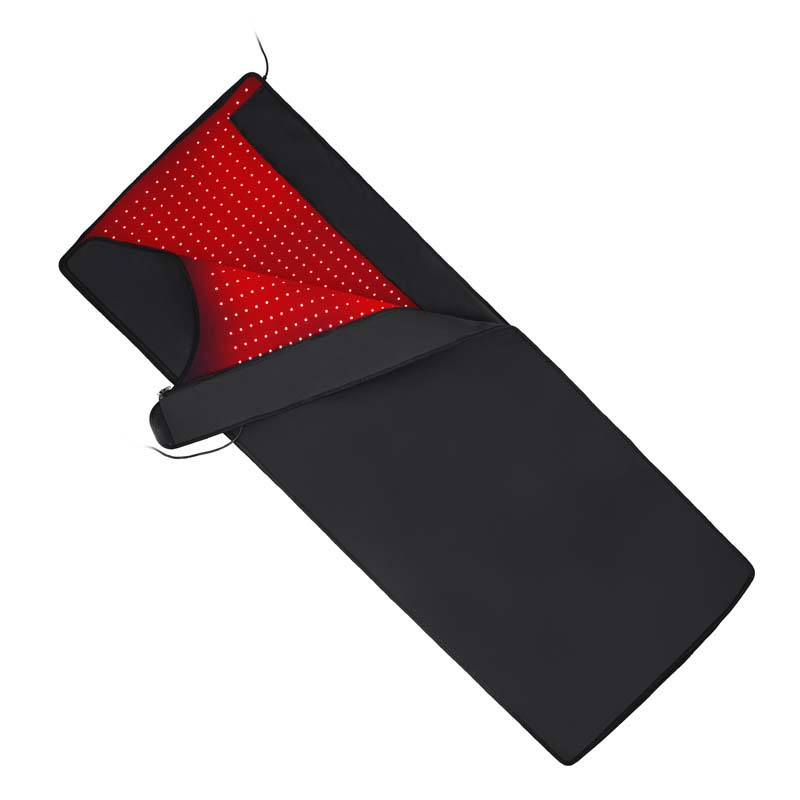
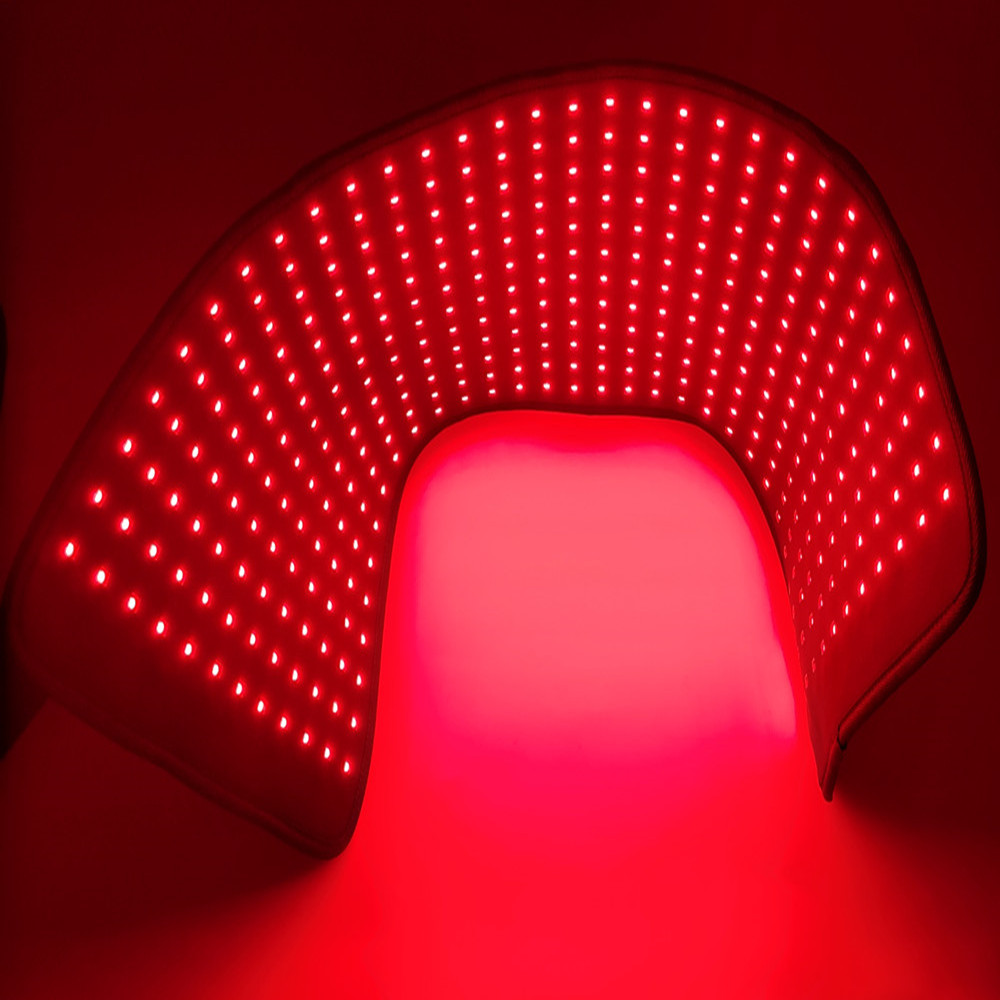
For specific issues like a sore wrist, a stiff knee, or arthritic fingers, Flexible Wraps are ideal. These devices can be strapped directly onto the joint, ensuring that the 850 nm light is as close to the target tissue as possible. This “contact delivery” minimizes light scattering and maximizes the dose reaching the deep tissue.
6. When is the Best Time to Schedule Your Light Therapy Sessions?
Timing can influence how your body integrates the energy provided by red light therapy. While you can use it at any time, certain windows offer unique advantages.
The Morning Wake-Up
Using red light therapy in the morning can help regulate your circadian rhythm. Exposure to bright red light mimics the rising sun, signaling to your brain that it is time to stop producing melatonin and start producing cortisol. This can lead to improved alertness during the day and better sleep at night.
Pre and Post-Physical Activity
As mentioned, using NIR light (810–850 nm) roughly 15 to 30 minutes before exercise can improve muscle oxygenation. Using it after exercise (within a 2-hour window) is the most effective way to prevent the buildup of lactic acid and reduce the inflammation that leads to “DOMS” (Delayed Onset Muscle Soreness).
Consistency is Key
You cannot “binge” red light therapy. The body has a limit to how much light energy it can process in one sitting—a concept known as the biphasic dose-response. It is far more effective to do 10 to 15 minutes a day, 5 days a week, than to do a single 2-hour session once a week. Think of it like a daily vitamin for your cells.
Supplementary Features for the Advanced User
To truly maximize the benefits of your red light journey, consider these two advanced features that have become staples in high-end 2026 devices.
Feature 1: Pulsed Electromagnetic Frequency (PEMF) Integration
Some of the most sophisticated devices now combine Red Light Therapy with PEMF. While light works on the cellular engines (mitochondria), PEMF works on the cellular “charge” or voltage. Together, they create a synergistic effect that can significantly accelerate the healing of bone fractures and deep tissue trauma beyond what light can do alone.
Feature 2: Multi-Wavelength Spectrum Blending
Instead of choosing between 660 nm or 850 nm, modern “hybrid” chips allow a single LED to emit multiple wavelengths simultaneously. This creates a “broad spectrum” therapeutic effect that covers the entire depth of the tissue from the surface to the bone in one single session. This is the ultimate “no-compromise” solution for the busy user.
Algengar spurningar (FAQ)
Q1: Is red light therapy safe for my eyes?
While red and NIR light are not ionizing like UV rays, the LEDs used in therapy devices are incredibly bright. Looking directly at them can cause temporary eye strain or discomfort. While some research suggests that specific doses of red light can help with age-related macular degeneration, it is always recommended to use the provided eye protection or keep your eyes closed during facial treatments unless under clinical supervision.
Q2: Can I get “too much” red light therapy?
Yes, but not in the way you might think. You won’t “burn” your skin like a tanning bed, but you can reach a point of diminishing returns. This is known as the Arndt-Schulz Law . If you over-expose your cells to light, the positive stimulation eventually levels off and can potentially become a slight stressor to the cell. Stick to the manufacturer’s recommended times (usually 10-20 minutes).
Q3: Will red light therapy work through my clothes?
For the best results, red light should be applied to bare skin. While NIR light (850 nm) can penetrate through thin, light-colored fabrics, it will still lose a significant amount of its energy. Standard red light (660 nm) is almost entirely blocked by clothing. To get your money’s worth, ensure the area you are treating is directly exposed to the LEDs.
Conclusion: Mastering the Spectrum of Self-Care
In the final analysis, there is no single “best” nanometer for red light therapy because our bodies are complex, multi-layered systems. The secret to success lies in matching the wavelength to the depth of your concern. If you are chasing a radiant, youthful complexion, the 630–660 nm range will be your most trusted ally. If you are an athlete, a weekend warrior, or someone managing the aches and pains of a life well-lived, you must invite the 810–850 nm near-infrared spectrum into your routine.
The most intelligent approach for most people is to invest in a device that offers a dual-wavelength output . By utilizing both red and near-infrared light simultaneously, you ensure that every cell—from the surface of your skin to the depths of your joints—receives the energy it needs to thrive. Red light therapy is a testament to the fact that sometimes, the most profound changes come from the simplest sources. Stay curious, be consistent, and enjoy the transformative power of the light.

 English (United States)
 French (Canada)
 English (UK)
 English (Australia)
 English (Canada)
 English (New Zealand)
 English (South Africa)
 Bulgarian
 Croatian
 Arabic
 Czech
Czech Danish
 Dutch
Dutch Estonian
 Finnish
 French (France)
 Turkish
 Swedish
 Spanish
 Slovenian
 Georgian
 German
 Greek
Greek Hebrew
 Hungarian
 Icelandic
 Indonesian
 Italian
 Japanese
 Korean
 Latvian
 Lithuanian
 Slovak
 Serbian
 Portuguese
 Luxembourgish
 Irish
Irish Romanian
 Russian