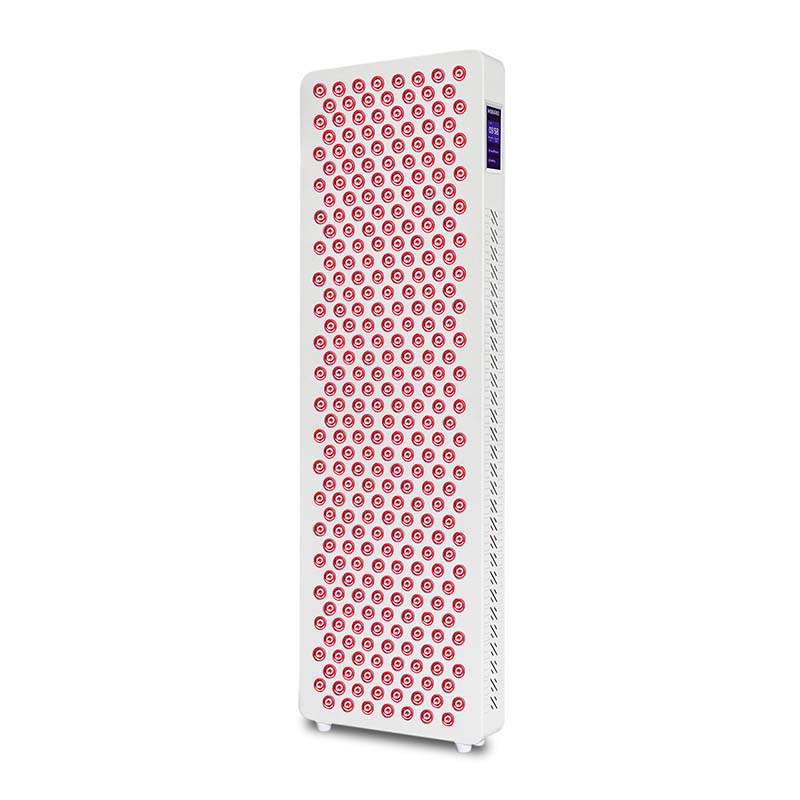
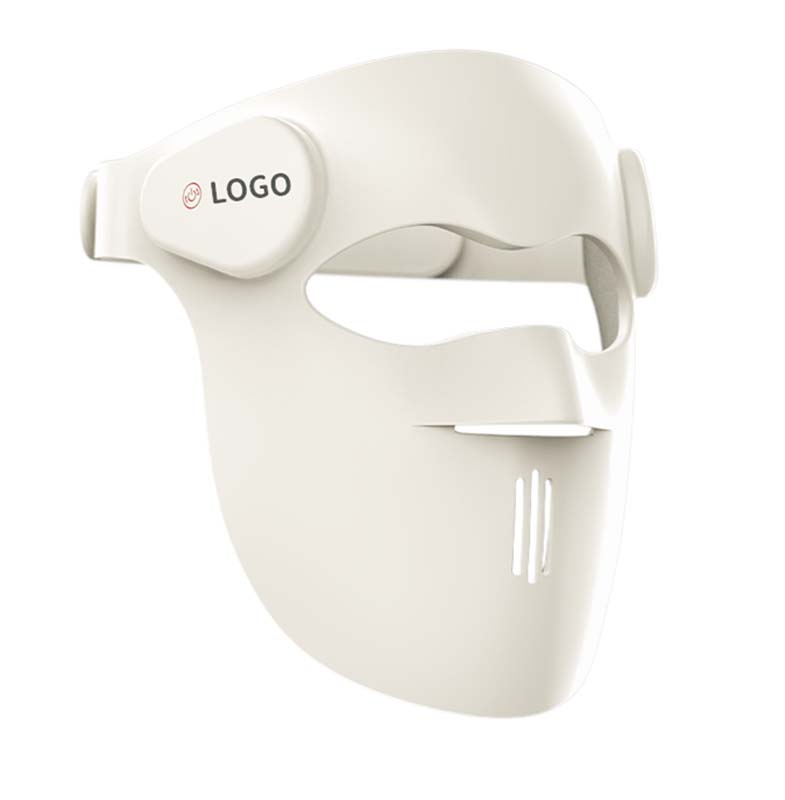
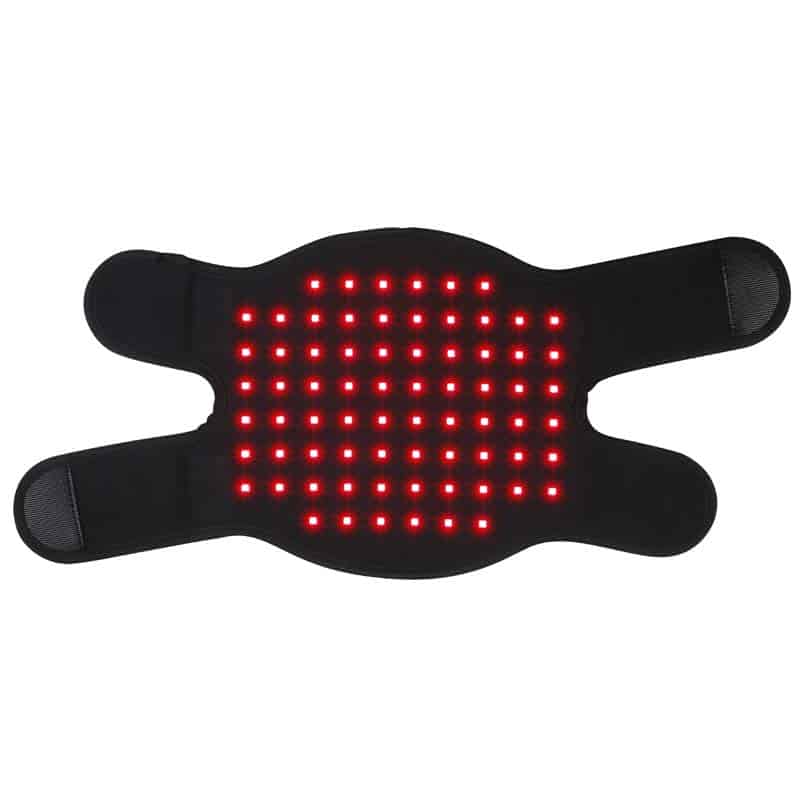
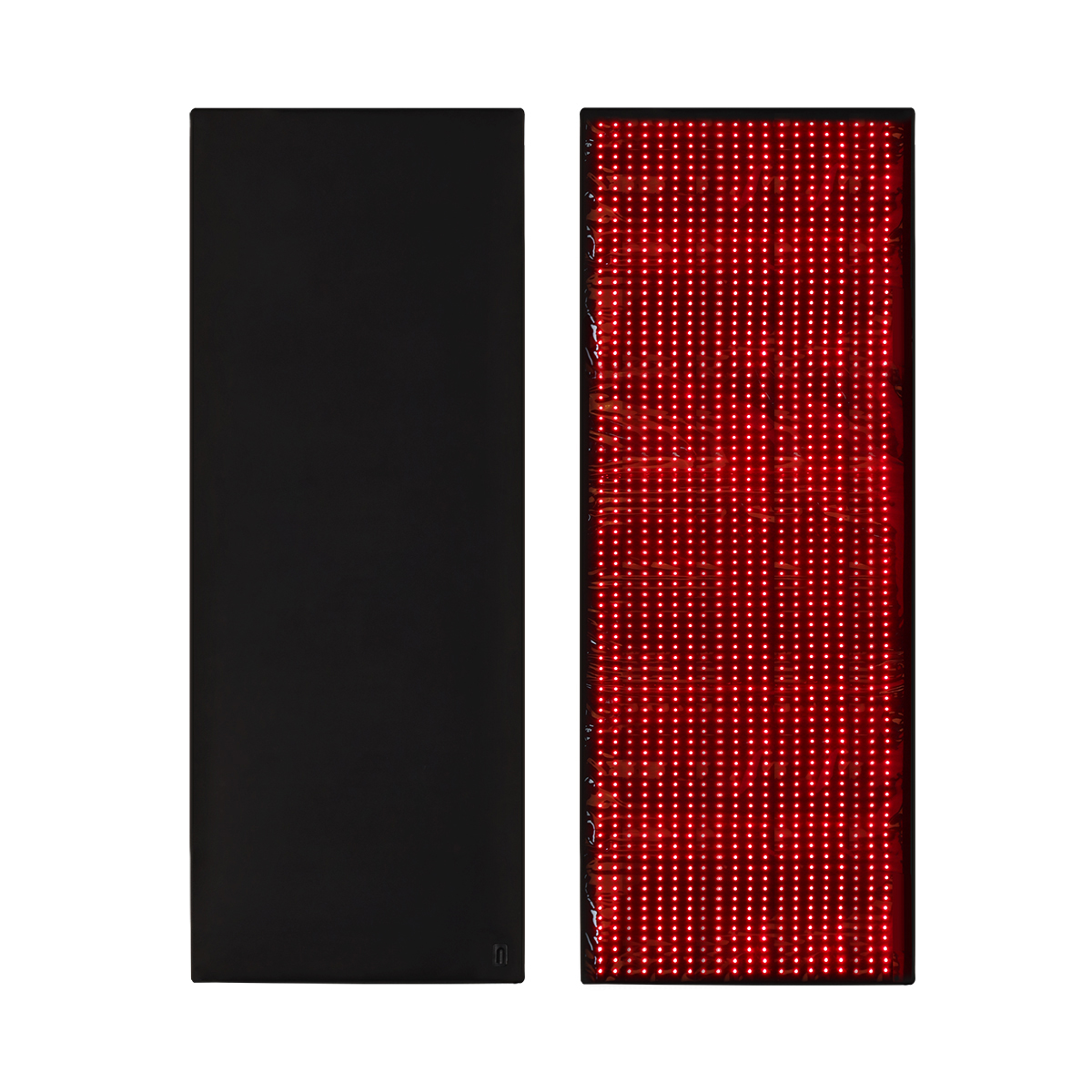
Yes, red light therapy can be good for backs in many cases, especially when back pain is linked to muscle strain, inflammation, stiffness, poor circulation, or slow tissue recovery. It is not a cure-all, and it should not replace a proper diagnosis, but photobiomodulation therapy and red or near-infrared light treatments may help reduce discomfort, support cellular repair, and improve movement. For mild soreness, at-home red light devices may be useful as part of a regular wellness routine. For deeper, chronic, or more complex back problems, professional laser and PBMT treatments, such as those offered at AcuGroup, are typically more targeted, more powerful, and easier to customize.
What Red Light Therapy Means for Back Pain
赤色光療法, often shortened to RLT, uses specific wavelengths of red and near-infrared light to interact with tissues beneath the skin. Unlike ultraviolet light, which can damage skin cells with excessive exposure, red and near-infrared wavelengths are generally used for their non-invasive therapeutic effects. The goal is not to heat, burn, or cut tissue. Instead, the light is intended to trigger biological responses that may help the body manage pain, inflammation, and repair.
Back pain is one of the most common health complaints. According to MedlinePlus, it can range from a dull ache to sharp pain and may be acute or chronic. It may come from muscles, ligaments, discs, joints, nerves, posture, injury, arthritis, or other underlying conditions. Because the causes are so varied, the best treatment depends on what is actually driving the pain. Red light therapy may be most helpful when pain is connected to irritated soft tissue, inflammation, reduced circulation, or delayed healing.
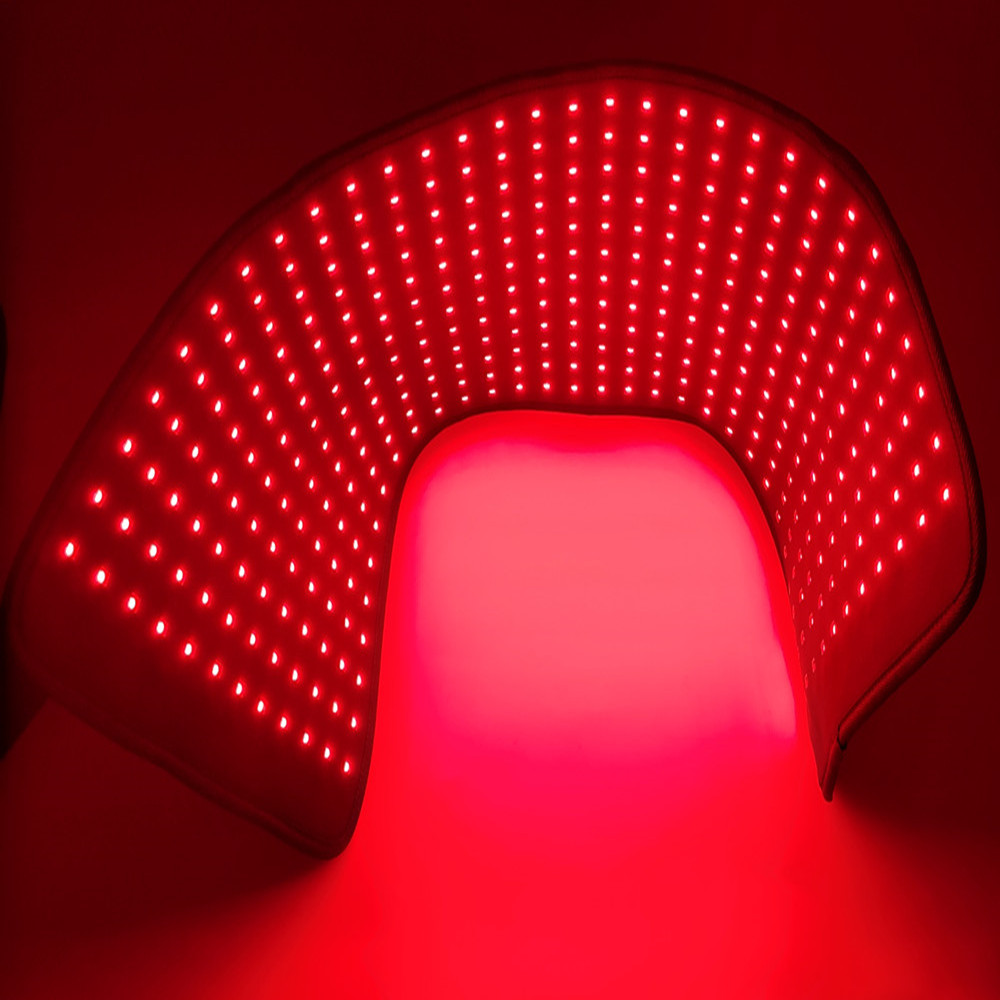
RLT is part of a broader category known as photobiomodulation therapy, or PBMT. PBMT may use LEDs, lasers, or other light sources in the visible red and near-infrared range. Consumer products often use LED panels, wraps, belts, or handheld devices. These can be convenient and safe for general use, but they usually deliver lower power and fixed settings. Professional PBMT systems, by contrast, can use more advanced lasers, superluminous diodes, and carefully adjusted treatment parameters.
This difference matters for back pain because many painful structures in the back sit below the surface. Muscles, spinal joints, tendons, ligaments, nerve roots, and discs are not all reached in the same way by every device. A small at-home light panel may be helpful for general soreness, but it may not deliver enough energy to the right depth for a chronic lumbar problem. Professional equipment allows a trained provider to choose wavelength, intensity, treatment time, dose, and location based on the person’s condition.
How Red and Near-Infrared Light May Support Healing
Red light therapy works through light-tissue interaction. The body absorbs light in specific ranges, and that absorbed light can influence cellular activity. In PBMT, light particles called photons interact with cellular structures and may affect signaling pathways related to inflammation, blood flow, pain modulation, and tissue repair. This is why the same general therapy may be discussed in relation to muscle recovery, sports injuries, joint discomfort, nerve irritation, and chronic pain.
One of the key ideas behind PBMT involves the ミトコンドリア, which are structures inside cells that help produce energy. That energy is stored in adenosine triphosphate, or ATP. When cells have adequate energy, they are better equipped to perform repair, regulate stress, and maintain normal function. Red and near-infrared light may encourage healthier cellular activity by supporting this energy process.
Another important effect involves inflammation. Inflammation is part of the body’s natural defense and healing response, but when it becomes excessive or prolonged, it can contribute to pain, swelling, stiffness, and reduced mobility. In back pain, inflammation may occur around strained muscles, irritated joints, compressed nerves, damaged ligaments, or overworked tissues. PBMT is often used with the goal of calming inflammatory activity and helping the affected area shift toward recovery.
Some research also discusses PBMT in relation to cytokines, which are signaling proteins involved in immune and inflammatory responses. When pro-inflammatory signaling is high, pain sensitivity can increase. By helping regulate inflammatory signaling, light therapy may reduce the chemical environment that keeps tissues irritated. This does not mean every case of back pain will respond, but it helps explain why PBMT is often considered for persistent musculoskeletal discomfort.
Circulation is another piece of the picture. Better local blood flow may help deliver oxygen and nutrients to tissues while clearing byproducts associated with inflammation and fatigue. For someone with tight lumbar muscles, post-exercise soreness, or stiffness after long periods of sitting, this improved tissue environment may make movement feel easier. For chronic or nerve-related conditions, improved circulation alone may not solve the problem, but it can be one useful part of a broader care plan.
At-Home Red Light Therapy vs Professional Laser and PBMT
At-home RLT devices are popular because they are convenient. People can use panels, belts, pads, handheld devices, or wraps while sitting, stretching, or resting. These devices are usually designed for frequent use with conservative power output. That makes sense for unsupervised home care. The tradeoff is that many consumer devices deliver generalized light over a broad area and may not provide the depth, intensity, or precision needed for more serious back conditions.
Professional PBMT is different. In a clinical setting, the provider can evaluate the location and nature of the pain, select appropriate settings, and apply the light more precisely. Professional systems may use higher-powered lasers or advanced light sources that can deliver more energy in less time. They also allow adjustments in wavelength, power, pulse settings, treatment duration, and dose. These details matter because PBMT follows a dose-response relationship: too little energy may do very little, while too much may be counterproductive.
の World Association for Photobiomodulation Therapy publishes dosage recommendations and scientific guidance for PBMT. This is important because light therapy should not be treated as a random “shine a lamp on it” approach. The best outcomes depend on using appropriate parameters for the tissue, condition, and goal. Professional providers who stay current with PBMT research are better positioned to apply these principles safely and effectively.
There is also an important regulatory distinction. Some professional PBMT devices have gone through the FDA 510(k) clearance process for temporary pain relief or related therapeutic uses. Consumer red light products vary widely, and not every device marketed online is designed or cleared for medical treatment. For back pain that is persistent, severe, or linked to a diagnosed spinal condition, professional evaluation is the better starting point.
| 特徴 | At-Home Red Light Therapy | Professional Laser and PBMT |
|---|---|---|
| 力 | Lower power for general consumer safety | Higher clinical power for deeper and more focused treatment |
| 光源 | Usually LED panels, belts, pads, or handheld units | Clinical lasers, LEDs, or superluminous diodes |
| カスタマイズ | Often fixed settings and limited wavelength choices | Adjustable wavelength, dose, treatment time, and intensity |
| Targeting | Broad and generalized | Specific to painful tissues, joints, nerves, or injury sites |
| Best Use | Mild soreness, wellness support, maintenance, and minor stiffness | Chronic pain, deeper inflammation, injury recovery, and complex back conditions |
| Supervision | Self-directed | Applied by trained professionals |
Benefits of Red Light Therapy for Back Pain
The main appeal of red light therapy for back pain is that it is non-invasive. It does not require medication, injections, or surgery. For many people, especially those who are trying to reduce reliance on pain medication or avoid more aggressive interventions, that makes RLT and PBMT worth considering. The treatment is usually comfortable, requires no downtime, and can be combined with other conservative therapies such as movement, stretching, acupuncture, chiropractic care, physical therapy, or strengthening exercises.
One potential benefit is pain reduction. PBMT may reduce pain by calming irritated tissues, improving local circulation, and influencing nerve sensitivity. This can be especially valuable when pain creates a cycle: the back hurts, the person moves less, muscles tighten, circulation decreases, inflammation continues, and pain becomes easier to trigger. By reducing discomfort, light therapy may help people move more normally, which is often essential for long-term back health.
Another benefit is reduced stiffness. Many people with back pain do not only feel pain; they feel guarded, tight, and restricted. Stiffness may come from muscle tension, joint irritation, inflammation, or fear of movement after injury. Red light therapy may support a more relaxed tissue state and make it easier to perform therapeutic movement. That does not mean it replaces exercise, but it may make exercise and rehabilitation more tolerable.
RLT and PBMT may also support tissue repair. Back pain often involves muscles, tendons, ligaments, fascia, or other soft tissues that have been overloaded or injured. By supporting cellular energy and local blood flow, PBMT may help create conditions that favor recovery. This is one reason it is commonly discussed in sports medicine and rehabilitation settings.
Inflammation control is another major advantage. When tissues remain inflamed, pain can linger even after the original strain or injury has improved. PBMT may help reduce inflammatory signaling and swelling in the treatment area. In the back, this may be useful for irritated spinal joints, strained muscles, ligament injuries, or pain associated with degenerative changes.
Improved mobility is often the practical outcome patients care about most. Less pain and stiffness can make it easier to bend, walk, stand, sit, sleep, work, and exercise. Even modest improvements can matter when back pain interferes with daily routines. At AcuGroup, professional PBMT is used with this broader goal in mind: not simply to reduce pain for a short period, but to help the body move toward more durable healing and better function.
Back Conditions That May Respond to Red Light Therapy
Red light therapy may be considered for several types of back-related discomfort, but the expected results depend on the underlying condition. Some problems are mainly muscular. Others involve joints, discs, nerves, or degenerative changes. A correct diagnosis helps determine whether RLT or professional PBMT is appropriate, and whether it should be combined with other treatments.
Sciatica: Sciatica refers to pain, numbness, weakness, or tingling related to irritation of the sciatic nerve. Symptoms often begin in the lower back or buttock and travel down one leg. PBMT may help by reducing inflammation around irritated nerve pathways and supporting tissue recovery in the surrounding region. However, sciatica can come from a herniated disc, spinal stenosis, muscle compression, or other causes, so treatment should be based on the source of nerve irritation.
Spinal stenosis: Spinal stenosis occurs when spaces in the spine narrow and place pressure on nerves or the spinal cord. It is more common with age and may be associated with arthritis or degenerative spinal changes. PBMT cannot physically widen the spinal canal, but it may help reduce inflammation, ease surrounding soft tissue irritation, and improve comfort. In moderate or severe stenosis, professional medical evaluation is especially important.
Herniated discs: A herniated disk occurs when disc material ruptures or bulges and irritates nearby nerves. Red light therapy will not mechanically push a disc back into place, and it should not be presented that way. Its possible role is to help reduce inflammation, calm surrounding soft tissue, and support comfort while the body heals. Many disc-related symptoms improve with conservative care, but severe weakness, progressive numbness, or bladder and bowel changes require urgent medical attention.
Spinal arthritis: Spinal arthritis can involve inflammation and degeneration in the joints of the spine. People may feel stiffness, aching, tenderness, or pain with certain movements. PBMT may be useful because it targets inflammatory activity and may improve local tissue function. It may be especially helpful when combined with mobility work, strengthening, posture changes, and other care aimed at reducing stress on the spine.
Osteoarthritis: Osteoarthritis is a degenerative joint disease in which joint tissues break down over time. It can affect the lower back and neck, contributing to pain and stiffness. PBMT may help manage symptoms by reducing inflammation around irritated joints and improving mobility. It does not reverse arthritis, but it may support better function and comfort as part of a broader plan.
Muscle and ligament strain: Strained muscles and ligaments are among the most common causes of back pain. These injuries may happen after lifting, twisting, sports activity, poor posture, repetitive stress, or sudden movement. Red light therapy may be particularly well suited for this category because the painful tissues are often closer to the surface than deeper spinal structures. By supporting circulation, reducing inflammation, and encouraging tissue repair, PBMT may help people return to normal activity more comfortably.
Chronic nonspecific low back pain: Some back pain does not come from one clearly identifiable structure. It may involve a combination of muscle tension, joint sensitivity, nervous system sensitization, stress, posture, poor sleep, and reduced conditioning. Research on PBMT for nonspecific low back pain has been mixed, which makes dosing, patient selection, and combined care especially important. In these cases, professional guidance can help determine whether PBMT is likely to be useful or whether another strategy should be prioritized.
How to Use Red Light Therapy for Back Pain Safely
If you are using an at-home red light therapy device for back pain, start by reading the manufacturer’s instructions carefully. More is not always better. Light therapy has a therapeutic range, and excessive exposure may not improve results. Pay attention to treatment distance, session length, frequency, skin sensitivity, and eye protection recommendations. Avoid using damaged devices, unverified products, or settings that produce uncomfortable heat.
For general soreness or mild stiffness, many people use at-home devices several times per week. Consistency is usually more important than unusually long sessions. The goal is to provide repeated, tolerable stimulation that supports recovery over time. If pain worsens, skin becomes irritated, or symptoms spread into the leg, stop and seek professional advice.
For persistent back pain, professional care is a better option. A clinician can assess whether the pain appears muscular, joint-related, nerve-related, disc-related, inflammatory, or something else. At AcuGroup, professional PBMT protocols are selected according to the patient’s condition, the depth of the target tissue, and the desired effect. Treatments may be scheduled one to two times per week depending on the case, with adjustments made as the patient responds.
People with certain symptoms should not rely on red light therapy alone. Seek medical attention if back pain follows a major injury, becomes severe, causes progressive weakness, includes numbness in the groin or saddle area, or is accompanied by loss of bladder or bowel control. You should also speak with a healthcare provider if you have unexplained weight loss, fever, cancer history, infection risk, or pain that does not improve with conservative care.
Safety also depends on correct placement. The back contains muscles, joints, nerves, blood vessels, and organs beneath the treatment area. Professional PBMT can be targeted to the lumbar spine, sacroiliac region, paraspinal muscles, gluteal region, or other relevant structures. A trained provider can also avoid inappropriate use over areas that should first be medically evaluated.
Why Professional PBMT at AcuGroup May Deliver Stronger Results
At-home red light therapy can be helpful, but professional PBMT offers several advantages for people with more serious or long-lasting back pain. The first advantage is power. Clinical-grade devices can deliver more energy to deeper tissues in a controlled way. This may make a difference when the goal is to reach structures beneath layers of skin, fat, and muscle.
The second advantage is precision. Back pain is not always located exactly where the problem begins. Pain may refer from a joint, radiate from an irritated nerve, or appear in a muscle that is compensating for another structure. Professional assessment helps determine where treatment should be applied. This is especially important for sciatica, spinal stenosis, disc irritation, and chronic back pain patterns.
The third advantage is customization. PBMT is not one fixed treatment. Wavelength, intensity, dose, frequency, contact method, and treatment duration all matter. A consumer belt or panel usually cannot account for the difference between a fresh muscle strain, a chronic inflammatory joint issue, and nerve-related leg pain. Professional care can adapt the protocol as symptoms change.
AcuGroup’s approach emphasizes professional laser and PBMT treatments that are more powerful and targeted than standard home red light devices. With years of experience in light-based therapy, ongoing training, and attention to current research, the goal is to provide evidence-informed care for people dealing with chronic back pain, nerve irritation, tissue injury, and inflammatory conditions.
This does not mean every patient needs clinical PBMT forever. Some people may begin with professional treatments and later use at-home red light therapy for maintenance. Others may combine PBMT with acupuncture, exercise, mobility work, or other therapies. The best plan depends on the cause of the pain, the severity of symptoms, and how the body responds.
Frequently Asked Questions About Red Light Therapy for Backs
Is red light therapy good for lower back pain?
It can be. Red light therapy may help lower back pain when inflammation, muscle strain, stiffness, or poor tissue recovery are part of the problem. For chronic or deeper pain, professional PBMT is usually more appropriate than a low-power home device.
How long does it take to feel results?
Some people notice short-term relief after a few sessions, while others need several weeks of consistent treatment. Results depend on the condition, device strength, treatment dose, and whether the pain is acute or chronic.
Can red light therapy heal a herniated disc?
Red light therapy should not be described as a direct cure for a herniated disc. It may help reduce inflammation and discomfort around irritated tissues, but it does not physically move disc material back into place. Disc-related pain should be evaluated by a healthcare provider.
Is PBMT the same as red light therapy?
Red light therapy is a common term, especially for consumer devices. PBMT is the broader and more technical term for therapeutic light treatment using red or near-infrared light from LEDs, lasers, or related light sources. Professional PBMT is generally more customizable than at-home RLT.
Is red light therapy safe?
For most people, properly used red light therapy is considered non-invasive and low risk. Safety depends on using the right device, dose, session length, and eye protection. Professional supervision is recommended for chronic pain, nerve symptoms, pregnancy, cancer history, unclear diagnoses, or complex medical conditions.
Does red light therapy replace physical therapy or exercise?
Usually no. It is best viewed as a supportive therapy. Back pain often improves most when treatment also includes movement, strength, posture awareness, mobility, and lifestyle changes. PBMT may make those steps easier by reducing pain and stiffness.
Are at-home red light belts worth it?
They may be useful for mild soreness, general maintenance, or temporary stiffness. However, they are usually less powerful and less targeted than professional systems. If pain is persistent, radiating, or linked to a spinal diagnosis, a professional evaluation is the smarter path.
How often should someone use red light therapy for back pain?
At-home use depends on the device instructions. Professional PBMT is often scheduled one to two times per week, though this varies by condition and protocol. The correct frequency should be based on response, tissue type, and clinical goals.
Is professional PBMT painful?
Most people find it comfortable. PBMT is designed to be non-thermal or gently warming, depending on the equipment and settings. It should not feel like a surgical laser, and it should not burn the skin.
Who should consider professional treatment instead of home treatment?
Professional PBMT is worth considering if back pain has lasted more than a few weeks, keeps returning, affects daily function, radiates into the leg, involves numbness or tingling, or has been diagnosed as sciatica, spinal stenosis, disc irritation, arthritis, or another chronic condition.
Conclusion: Shining a Light on Back Pain Relief
Red light therapy can be a helpful option for back pain, especially when the goal is to reduce inflammation, support tissue repair, ease stiffness, and encourage better movement without drugs or invasive procedures. At-home devices may help with mild discomfort and ongoing maintenance, but professional laser and PBMT treatments offer deeper penetration, more precise targeting, and individualized protocols.
For persistent back pain, nerve irritation, inflammation, or injury recovery, AcuGroup’s professional PBMT approach provides a more advanced path than standard consumer red light therapy. With the right diagnosis, the right dose, and the right care plan, light-based therapy may be a valuable step toward lasting back pain relief.
 English (United States)
  French (Canada)
  English (UK)
  English (Australia)
  English (Canada)
  English (New Zealand)
  English (South Africa)
  Bulgarian
  Croatian
  Arabic
  Czech
Czech  Danish
  Dutch
Dutch  Estonian
  Finnish
  French (France)
  Turkish
  Swedish
  Spanish
  Slovenian
  Georgian
  German
  Greek
Greek  Hebrew
  Hungarian
  Icelandic
  Indonesian
  Italian
  Japanese
  Korean
  Latvian
  Lithuanian
  Slovak
  Serbian
  Portuguese
  Luxembourgish
  Irish
Irish  Romanian
  Russian