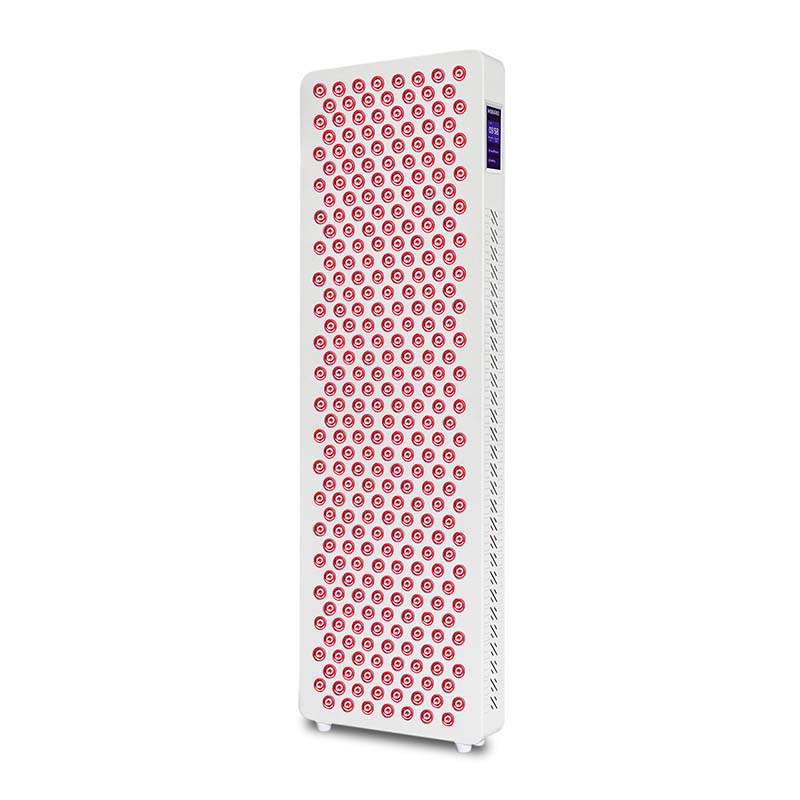
Integrating Red Light Therapy (RLT) into existing Pilates classes is most effectively achieved by establishing dedicated “Recovery Nooks” within the studio, offering specialized “Light-Infused” private sessions, or positioning modular panels near Reformer stations to facilitate immediate post-workout cellular repair. By blending the core-strengthening, low-impact principles of Pilates with the mitochondrial-boosting benefits of fotobiomodulacija, studio owners can create a holistic wellness environment that addresses both physical conditioning and rapid physiological recovery. This integration transforms a standard Pilates session into a comprehensive “biohacking” experience, ensuring that members not only leave the studio feeling stronger but also benefit from reduced inflammation and enhanced tissue repair.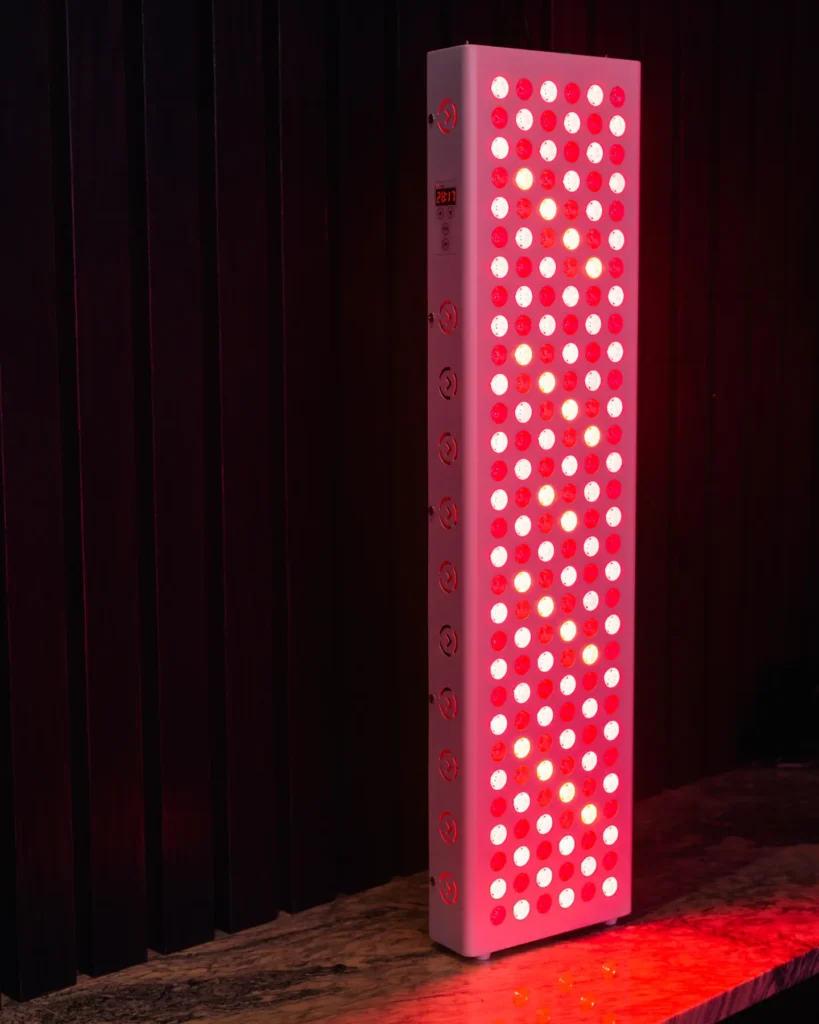
1. How to Strategically Plan the Layout for Red Light Integration?
The successful implementation of Red Light Therapy within a Pilates environment begins with a meticulous approach to spatial design. Unlike a traditional high-intensity gym, a Pilates studio often prioritizes a sense of calm, precision, and “Zen” aesthetics. Therefore, the placement of RLT equipment cannot be an afterthought; it must feel like a seamless extension of the studio’s architecture.
Prioritizing Accessibility and Natural Flow
When considering where to place your panels, think about the “Client Journey.” In a Pilates context, a client typically transitions from a high-concentration Reformer or Mat session into a cool-down phase. Ideally, the Red Light Therapy area should be situated in a natural transition zone. This could be a designated section of the main studio floor or a semi-private alcove adjacent to the changing rooms.
The goal is to ensure that the transition from the “work” of the class to the “recovery” of the light therapy is frictionless. If a client has to walk through a crowded lobby or a cold hallway to reach the panels, the therapeutic, relaxing effect is significantly diminished. Positioning the RLT area near stretching zones or “Props” storage (where clients return their balls and magic circles) encourages them to spend an extra 10 to 15 minutes under the light as a final ritual.
Integrating with Existing Recovery Amenities
If your studio already offers premium amenities—such as a tea station, a foam rolling corner, or ergonomic lounge seating—this is your prime real estate. By co-locating RLT with these existing features, you create a “Wellness Hub.” This synergy encourages “habit stacking,” where a member might sip an electrolyte beverage or perform gentle myofascial release while simultaneously soaking in the 660nm and 850nm wavelengths.
Safety, Compliance, and Professional Installation
From a technical standpoint, the integration requires a partnership with a licensed electrician. Red light panels, especially professional-grade full-body arrays, have specific power draw requirements. You must ensure that your studio’s electrical grid can handle the load without tripping breakers, particularly if you are running multiple panels alongside HVAC systems and sound equipment.
Furthermore, ventilation is a critical, often overlooked factor. High-output LED panels can generate a modest amount of heat. In a small Pilates studio, this can quickly make a room feel “stuffy.” Ensuring proper airflow and maintaining a safe distance between the units and any combustible materials (like silk curtains or wooden partitions) is essential for both safety and member comfort.
2. How to Select and Install Optimal Red Light Therapy Equipment for Pilates?
Selecting the right hardware is the difference between a gimmick and a clinical-grade service. For a Pilates studio, the equipment needs to be robust, aesthetically pleasing, and scientifically sound.
Understanding the Wavelengths: Red vs. Near-Infrared
To provide a truly premium experience, your panels must offer a combination of Red Light (roughly 630–670nm) and Near-Infrared Light (810–850nm).
- Red Light: This wavelength acts primarily on the surface of the skin, promoting collagen production and skin health—a huge selling point for the Pilates demographic.
- Near-Infrared (NIR): This wavelength penetrates deeper into the muscles, tendons, and even bone. For a Pilates practitioner, NIR is the “heavy lifter” that helps soothe the deep core muscles and spinal stabilizers that have been worked during a grueling session.
Full-Body vs. Targeted Panels
The choice between panel sizes depends on your studio’s specific business model:
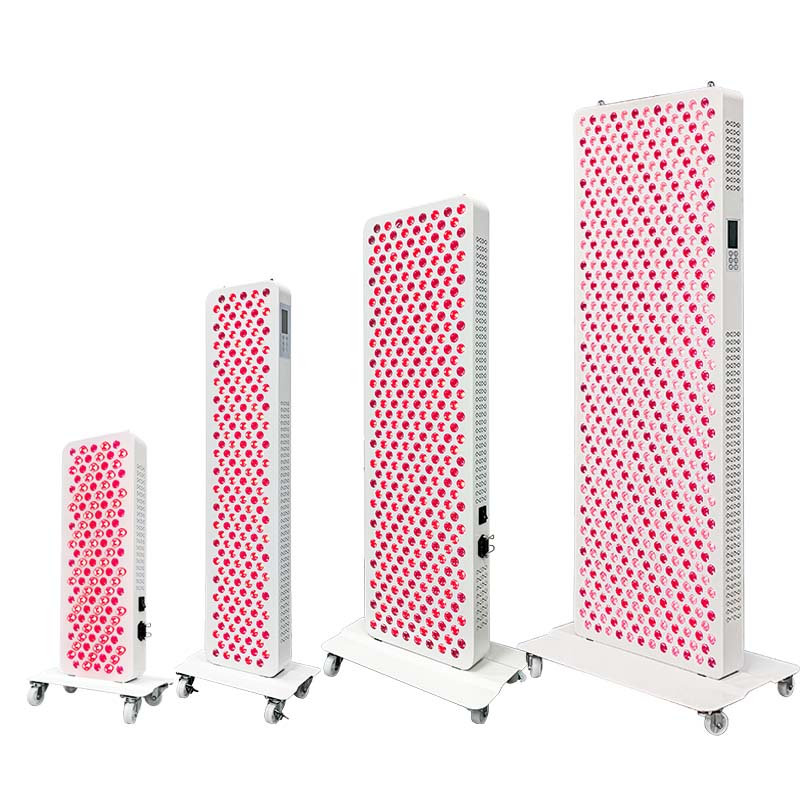
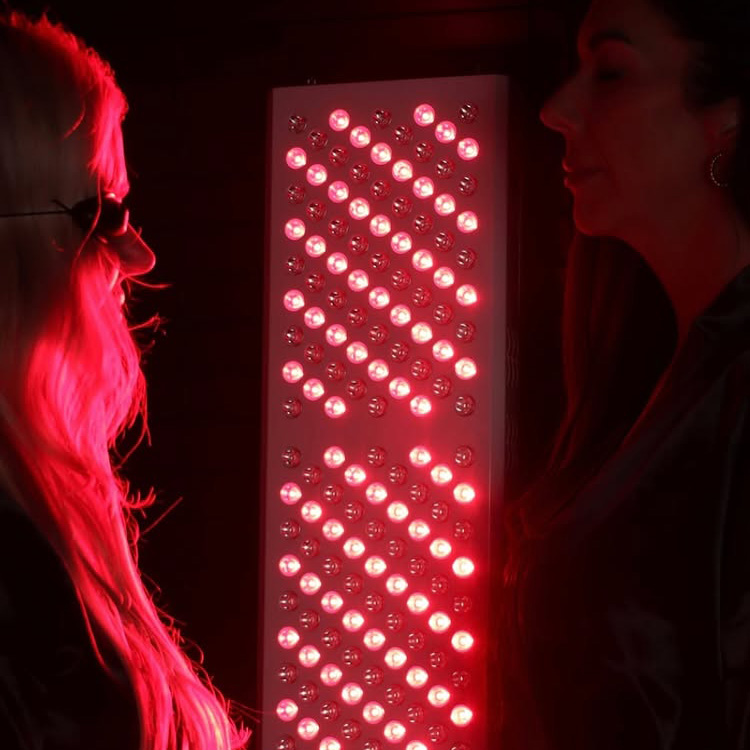
- Full-Body Panels: These are the gold standard. They allow a client to stand or lie down and receive a systemic boost. In a Pilates setting, a full-body panel mounted on a wall allows a client to perform their final stretches directly in front of the light.
- Targeted Panels: These are smaller, more portable units. They are excellent for studios with limited space or for “Add-on” services where a client wants to focus specifically on a chronic injury, such as a “Pilates knee” or a stiff lower back.
- Mobile Stands: Using panels on wheels allows you to bring the therapy to the Reformer. This is a game-changer for private sessions where the instructor can position the light over the client during the “Feet in Straps” portion of the class.
Incorporating Red Light Yoga Mats
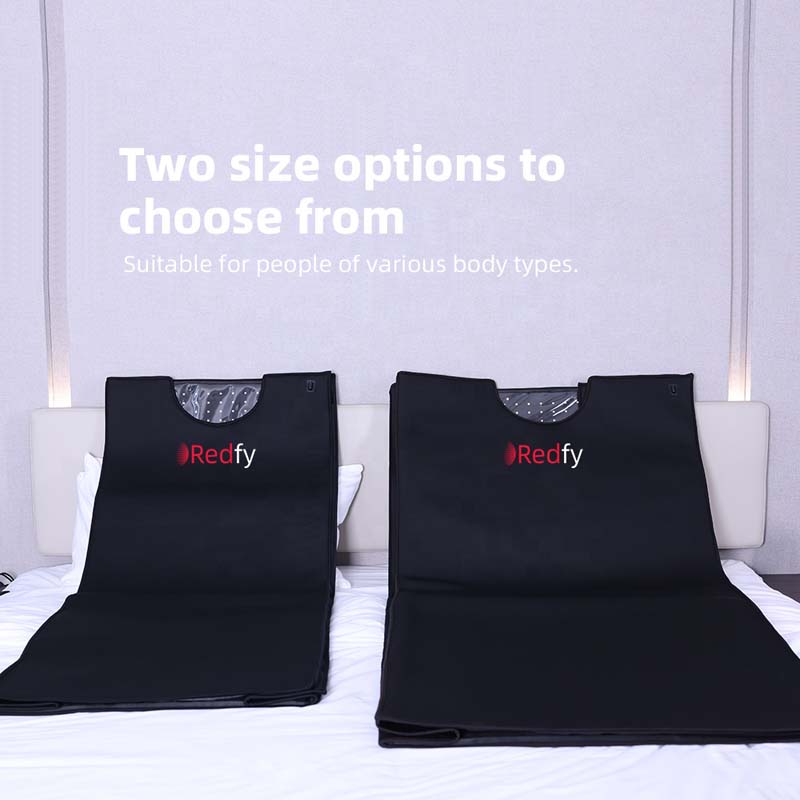
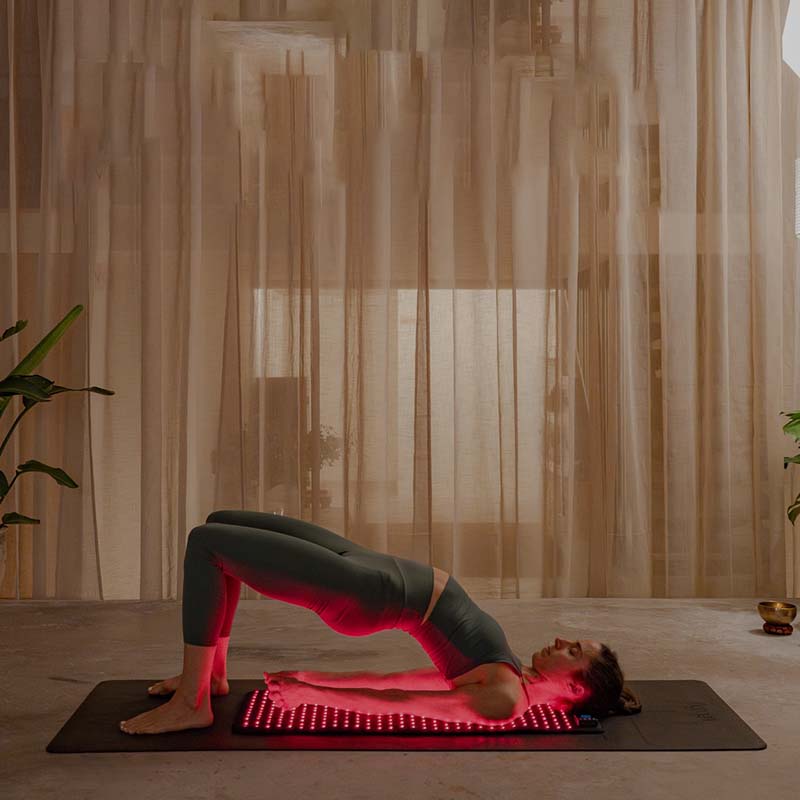
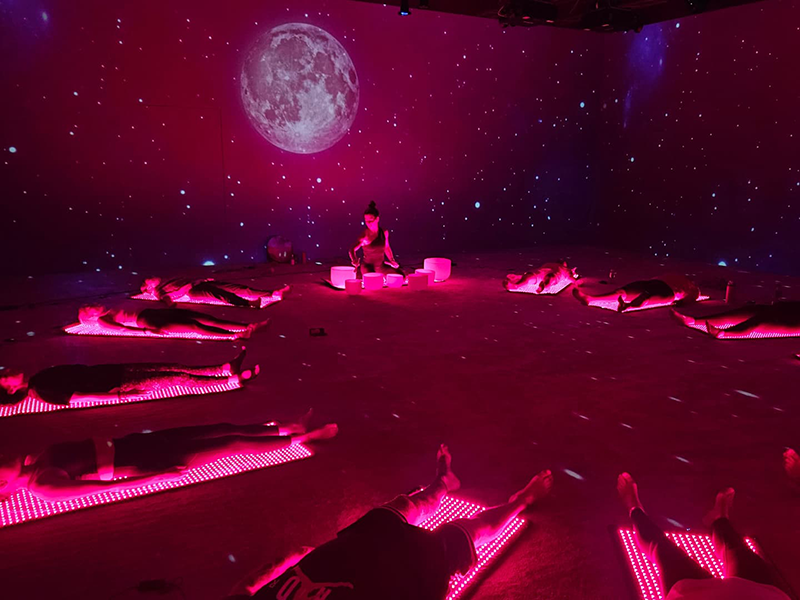
A cutting-edge addition to the Pilates equipment repertoire is the Rdeča svetlobna podloga za jogo. These specialized mats embed medical-grade LEDs directly into the surface, allowing clients to receive therapeutic wavelengths during floor work or final Savasana. This is particularly effective for mat Pilates classes where space for large wall panels might be limited. The direct dermal contact ensures high irradiance, delivering the benefits of RLT directly to the posterior chain as the client moves through their flow.
Maintenance and Professional Upkeep
A Pilates studio is a high-contact environment. Your RLT panels will require a strict cleaning protocol. Using non-abrasive, manufacturer-approved sanitizers is crucial to prevent the buildup of sweat or fingerprints on the LED lenses, which can diffuse the light and reduce the effective “irradiance” (the power of the light hitting the skin).
3. How to Maximize the Biological Benefits of Red Light Within a Pilates Context?
To truly integrate RLT, you must understand the science behind it. This allows your instructors to speak with authority and helps clients understand why they are standing in front of a red glow.
The Power of the Mitochondria
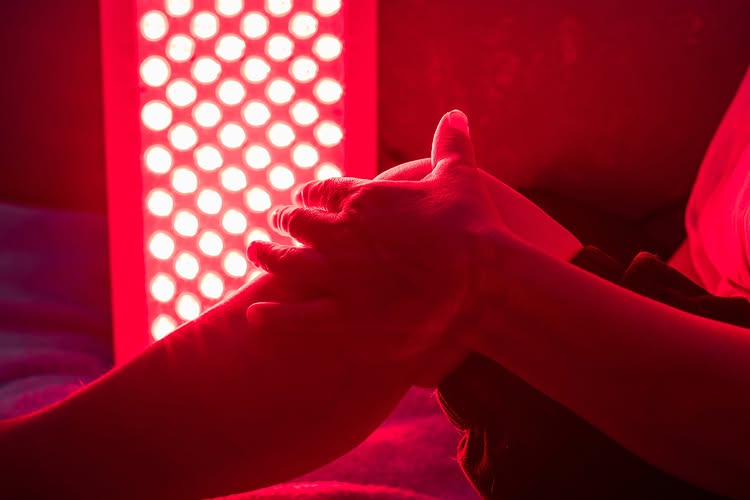
At the heart of Red Light Therapy is the stimulation of the mitohondriji—the powerhouses of the cells. When the light photons hit the skin, they interact with a photoreceptor called Cytochrome C Oxidase. This interaction increases the production of Adenozin trifosfat (ATP), which is essentially the cellular currency of energy.
In a Pilates context, this means:
- Faster Recovery: After a class that focuses on eccentric muscle contractions (which cause micro-tears), the increased ATP allows the body to repair those tissues more efficiently.
- Reduced DOMS: Delayed Onset Muscle Soreness is significantly mitigated when RLT is applied post-exercise.
- Enhanced Flexibility: There is emerging evidence that NIR light can help improve the elasticity of connective tissues, making it the perfect companion for the lengthening goals of Pilates.
Synergistic Timing
While many people use RLT post-workout, there is a strong argument for pre-workout use in Pilates. Using the light for 10 minutes prej a class can “prime” the muscles, increasing blood flow and potentially reducing the risk of strain during deep stretching or intense core work. Offering “Pre-Class Priming” as a membership perk can be a fantastic way to differentiate your studio.
4. How to Effectively Market Red Light Therapy to Pilates Practitioners?
You can have the best equipment in the world, but if your members don’t understand the “why,” the panels will sit idle. Marketing RLT in a Pilates studio requires a blend of scientific evidence and lifestyle aspiration.
Leveraging Social Proof and Influencers
Pilates has a massive presence on social media. Use this to your advantage. Film your instructors using the red light after their personal practice. Post “Behind the Scenes” content on Instagram and TikTok showing the setup process and explaining the benefits in layman’s terms. When members see their favorite instructors prioritizing RLT for recovery, they will naturally want to emulate that behavior.
Educational Signage and “The Hook”
Place high-quality, aesthetically pleasing infographics near the studio entrance. Use language that resonates with Pilates enthusiasts:
- “Repair your core at a cellular level.”
- “The ultimate glow: Collagen-boosting light for post-Pilates radiance.”
- “Don’t just stretch your muscles; heal them.”
Introductory Sessions and “Recovery Saturdays”
One of the best ways to drive adoption is through “low-stakes” exposure. Host a monthly “Recovery Saturday” where every Pilates class is followed by a complimentary 10-minute RLT demo. Once a client feels the soothing warmth of the NIR light and notices they aren’t as sore the next morning, the service sells itself.
Tiered Membership Integration
Instead of just charging a “per-session” fee, integrate RLT into your high-tier memberships. For example:
- Silver Membership: 10 Classes/month.
- Gold Membership: 15 Classes/month + 4 RLT sessions.
- Platinum Membership: Unlimited Classes + Unlimited RLT + Priority Booking.
This “bundles” the value, making the RLT feel like an essential part of their fitness journey rather than an optional extra.
5. How to Train Staff and Instructors for Seamless Red Light Implementation?
Your instructors are your frontline ambassadors. If they are skeptical or uninformed, the integration will fail. Comprehensive staff training is non-negotiable.
Knowledge is Power: The Instructor’s Script
Instructors don’t need to be doctors, but they should be able to explain the basics. Provide them with a “Cheat Sheet” that covers:
- What is RLT? (Photobiomodulation).
- How long should a session last? (Usually 10–20 minutes).
- Is it safe? (Yes, it’s non-ionizing and UV-free).
- What are the top 3 benefits for Pilates? (Inflammation reduction, muscle repair, skin health).
Guiding the Client Experience
Training should also include the “soft skills” of RLT management. Instructors should know how to guide a client into the recovery area, how to set the timer on the panels, and how to suggest the best body positioning for specific goals (e.g., “If your lower back is tight from those teasers today, turn your back to the panel for 5 minutes”).
Feedback Loops
Encourage your staff to collect anecdotal feedback from members. Did they sleep better? Was their knee pain reduced? Sharing these “win stories” during staff meetings keeps the team motivated and provides authentic testimonials for marketing purposes.
Pogosto zastavljena vprašanja (FAQ)
Q: Is Red Light Therapy safe for everyone in a Pilates class?
A: Generally, yes. Red Light Therapy is non-invasive and does not contain harmful UV rays. However, individuals with specific medical conditions—such as epilepsy (due to potential light flickering), those who are pregnant, or those taking photosensitizing medications—should consult a physician before use. Always provide protective eyewear for those who find the light too bright.
Q: How often should Pilates members use Red Light Therapy?
A: For optimal results, 3 to 5 times per week is the industry standard. However, even using it twice a week immediately following a Pilates session can yield noticeable improvements in recovery speed and muscle soreness.
Q: Can we use Red Light Therapy during a group Pilates class?
A: While possible, it is logistically challenging. The light needs to be close to the skin (usually 6–18 inches) to be effective. In a group setting, it’s difficult to get everyone close enough to a panel while they are moving on a Reformer. It is much more effective as a pre- or post-class ritual.
Q: Does Red Light Therapy help with weight loss in conjunction with Pilates?
A: There is some evidence suggesting that RLT can assist with “lipid release” from fat cells, but it is not a magic weight-loss pill. When combined with the muscle-toning and metabolic benefits of a consistent Pilates practice, RLT can certainly support body composition goals by reducing systemic inflammation and potentially boosting metabolism.
Q: What is the ROI (Return on Investment) for a Pilates studio?
A: While the upfront cost of professional panels can range from $1,000 to $5,000 per unit, the ROI comes from increased member retention and upsell opportunities. Studios like the Active Wellness Center have seen a 25% jump in retention by offering these high-end recovery tools. It transforms your studio from a place people “go to work out” to a place people “go to feel better.”
Zaključek
The integration of Red Light Therapy into Pilates is not merely a trend; it is a logical evolution of the “Mind-Body” philosophy. As the fitness industry pivots toward a more holistic view of health, recovery is being recognized as being just as important as the workout itself. By following the steps outlined above—strategic planning, careful equipment selection, scientific education, and creative marketing—your Pilates studio can position itself at the absolute forefront of the wellness revolution.
The success of the Active Wellness Center in California serves as a powerful case study: by dedicating space to high-quality recovery tools like RLT, they didn’t just add a service; they deepened their relationship with their members. Clients stayed longer, engaged more frequently, and felt more supported in their overall health journey.
In a competitive market, small touches matter. Whether it’s the calming ambiance of your recovery nook, the knowledgeable advice of your instructors, or the simple convenience of app-based booking for a post-session “glow,” these details transform a standard gym into a premium sanctuary. By embracing Red Light Therapy, you are telling your members that you care about their longevity, their recovery, and their cellular health as much as you care about their core strength. That is a value proposition that resonates far beyond the walls of the studio.
 English (United States)
 French (Canada)
 English (UK)
 English (Australia)
 English (Canada)
 English (New Zealand)
 English (South Africa)
 Bulgarian
 Croatian
 Arabic
 Czech
Czech Danish
 Dutch
Dutch Estonian
 Finnish
 French (France)
 Turkish
 Swedish
 Spanish
 Slovenian
 Georgian
 German
 Greek
Greek Hebrew
 Hungarian
 Icelandic
 Indonesian
 Italian
 Japanese
 Korean
 Latvian
 Lithuanian
 Slovak
 Serbian
 Portuguese
 Luxembourgish
 Irish
Irish Romanian
 Russian